
THE ART OF KNOW-HOW
At the heart of Sogni di Cristallo‘s creative process are the expert hands of our master craftsmen.
Venetian glass is an art form recognized worldwide. A technique that evolves and refines itself. Passed from generation to generation, the experience of the masters is handed down to the students. Matter is shaped until it achieves its ultimate form. It is an evolving process and an ever-changing artistic performance.
GLASS MASTERS AT WORK
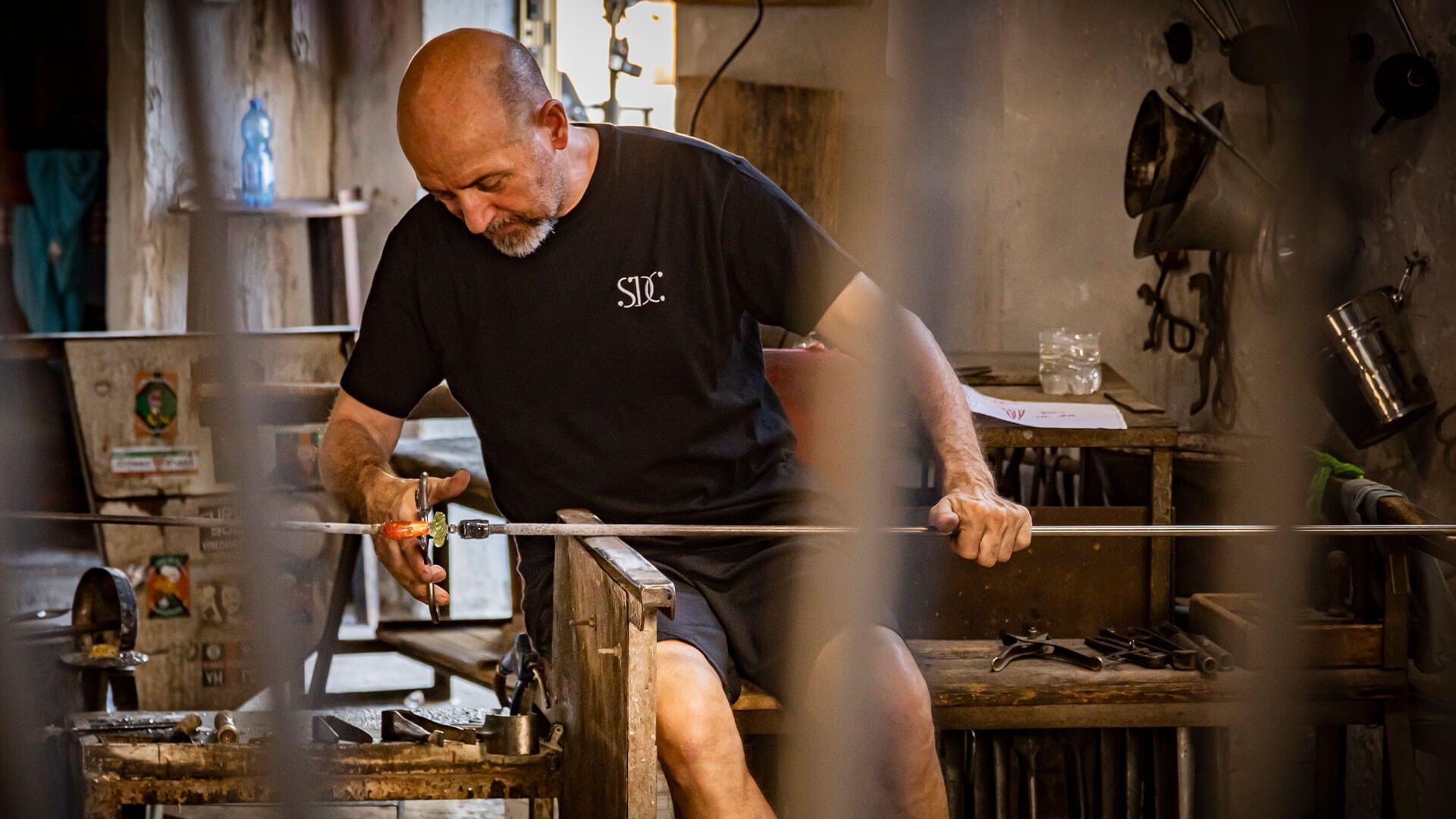
Explore the creation phases and watch our craftsmen at work: here are the different techniques that lead to the birth of a product of excellence Made in Venice.
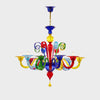
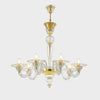
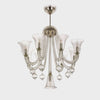
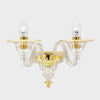
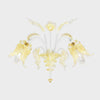
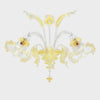
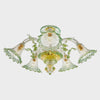
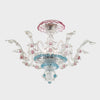
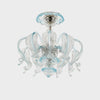
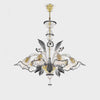
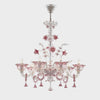
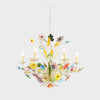
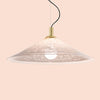
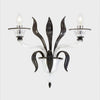
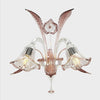
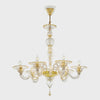
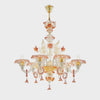
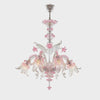
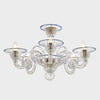
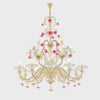
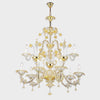
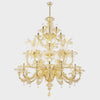
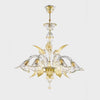
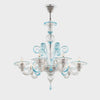
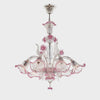
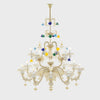
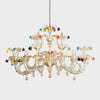
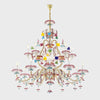
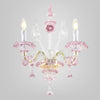
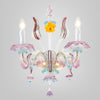
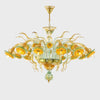
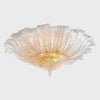
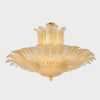
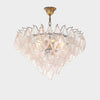
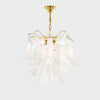
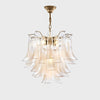
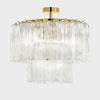
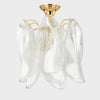
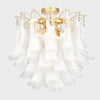
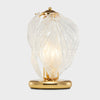
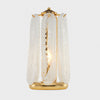
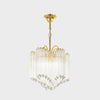
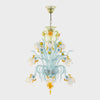
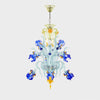
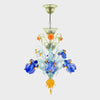
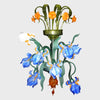
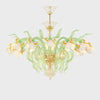
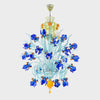
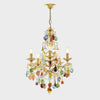
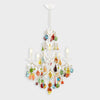
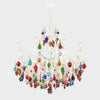
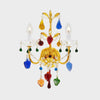
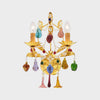
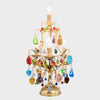
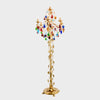
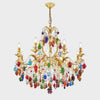
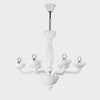
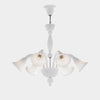
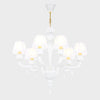
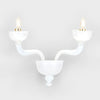
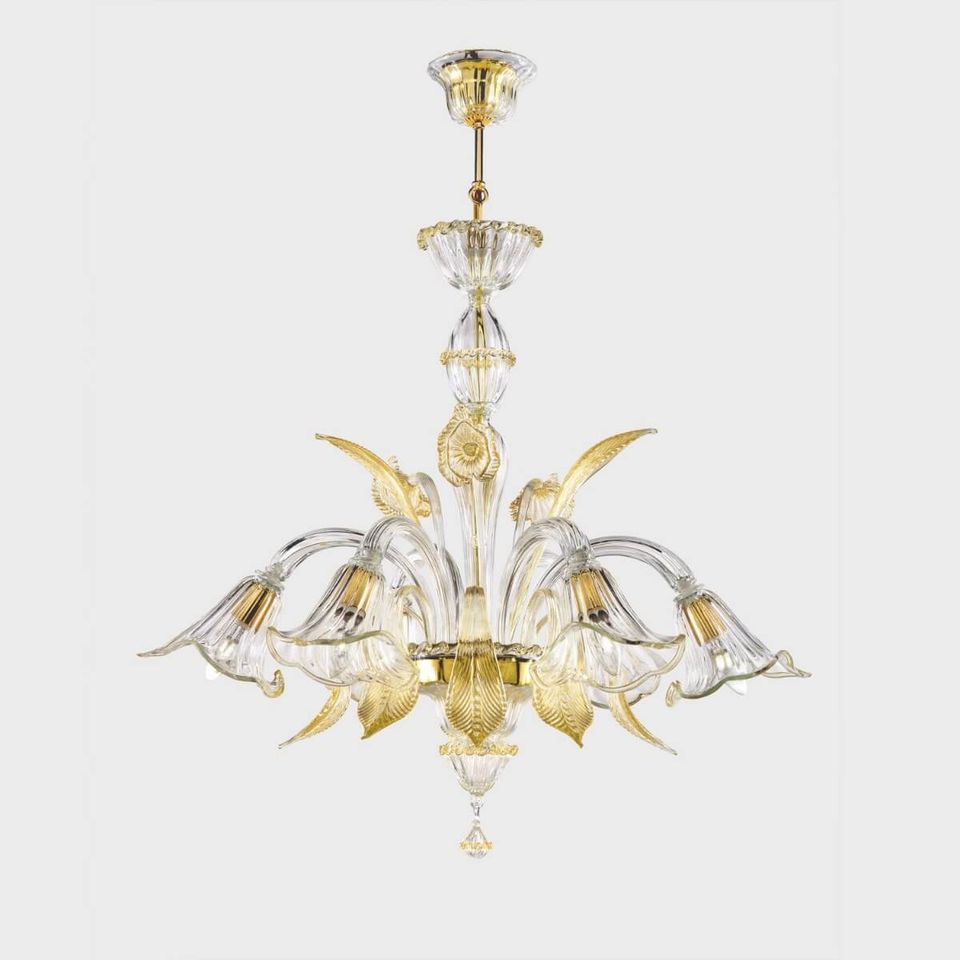
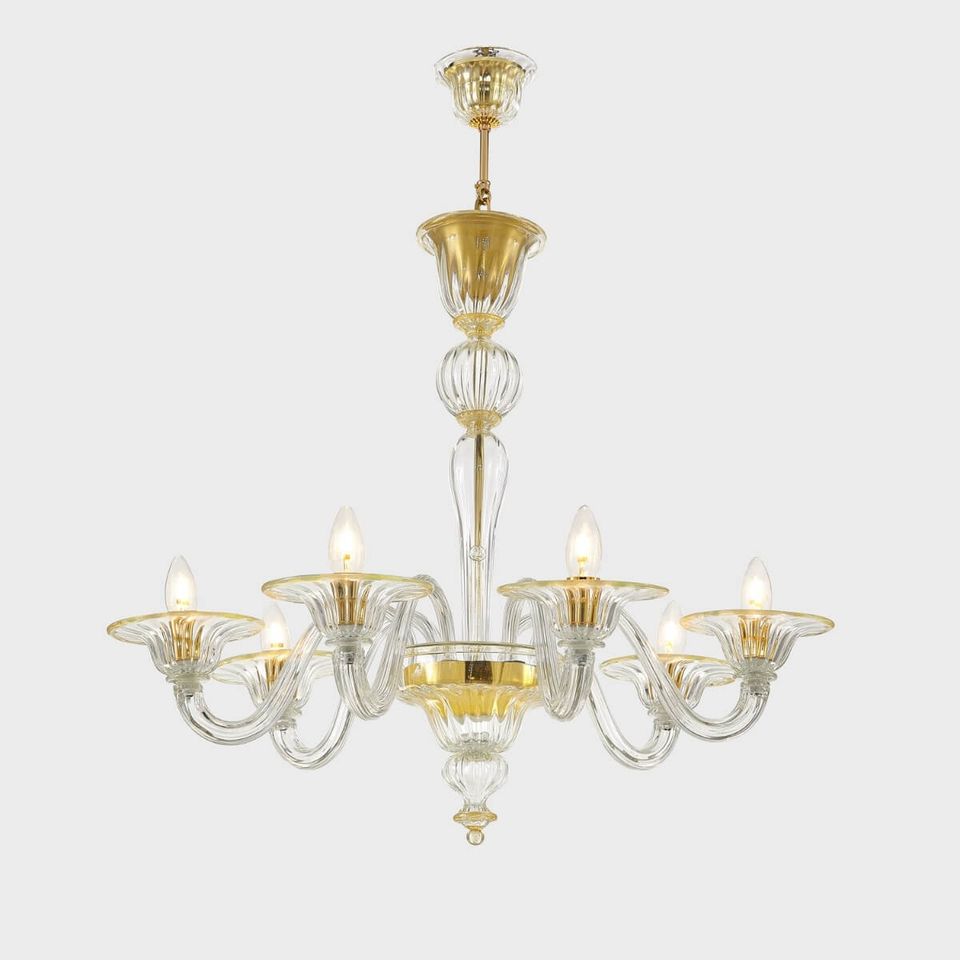
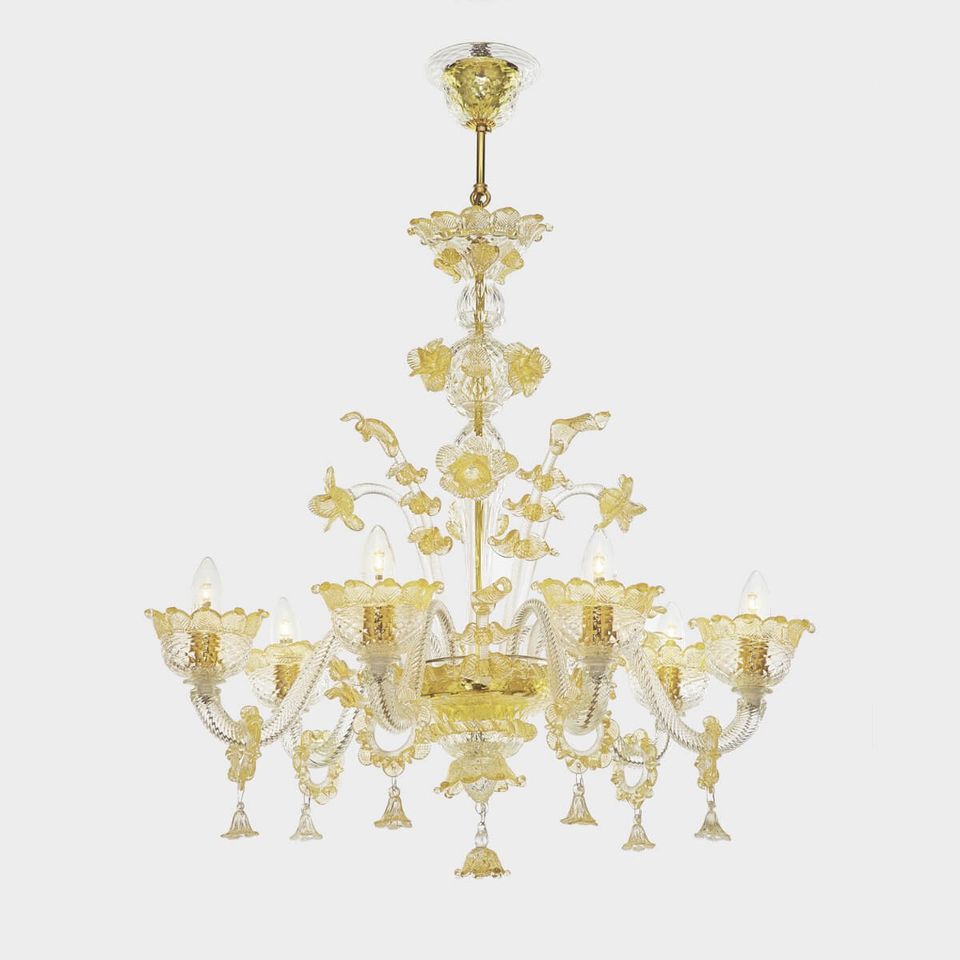
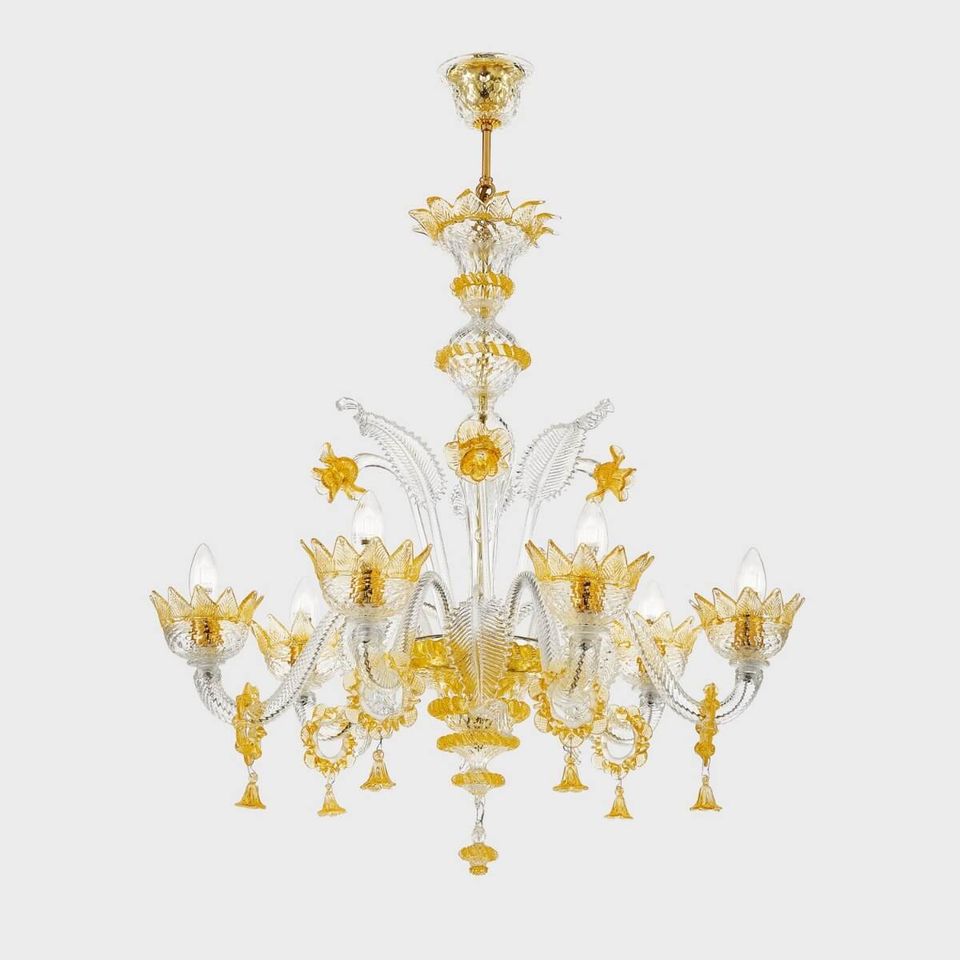
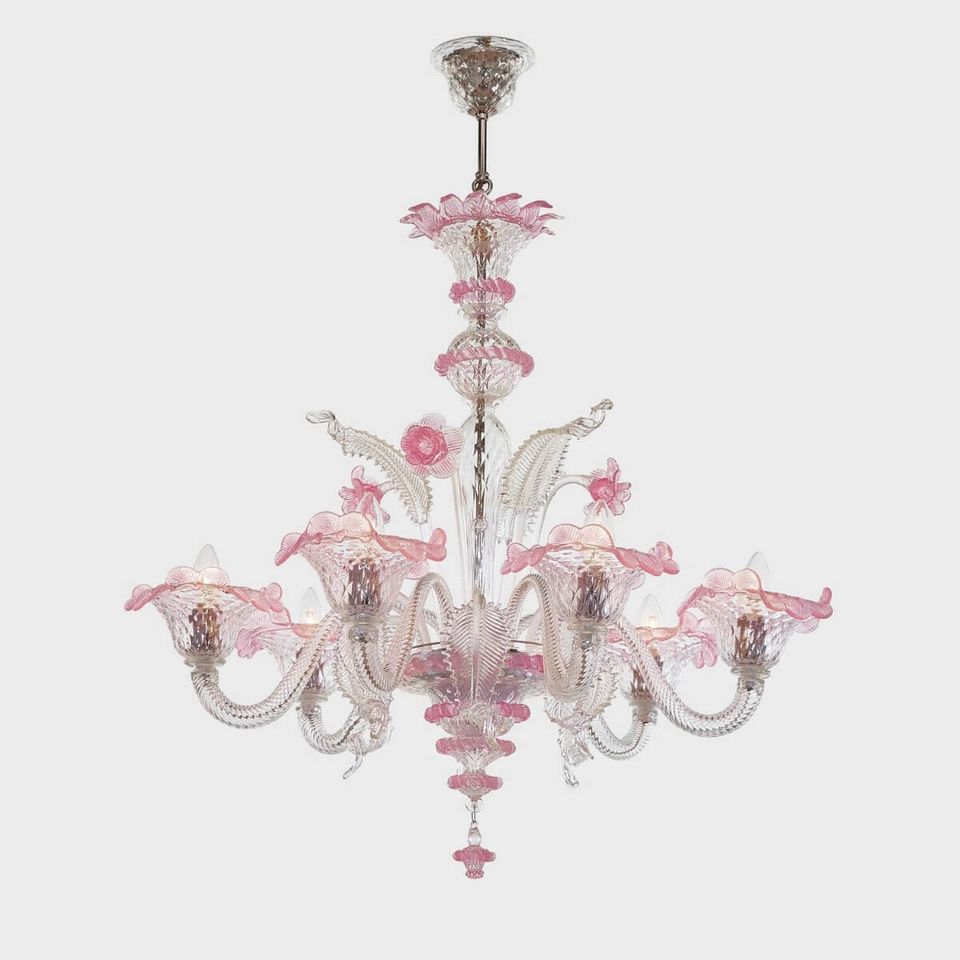
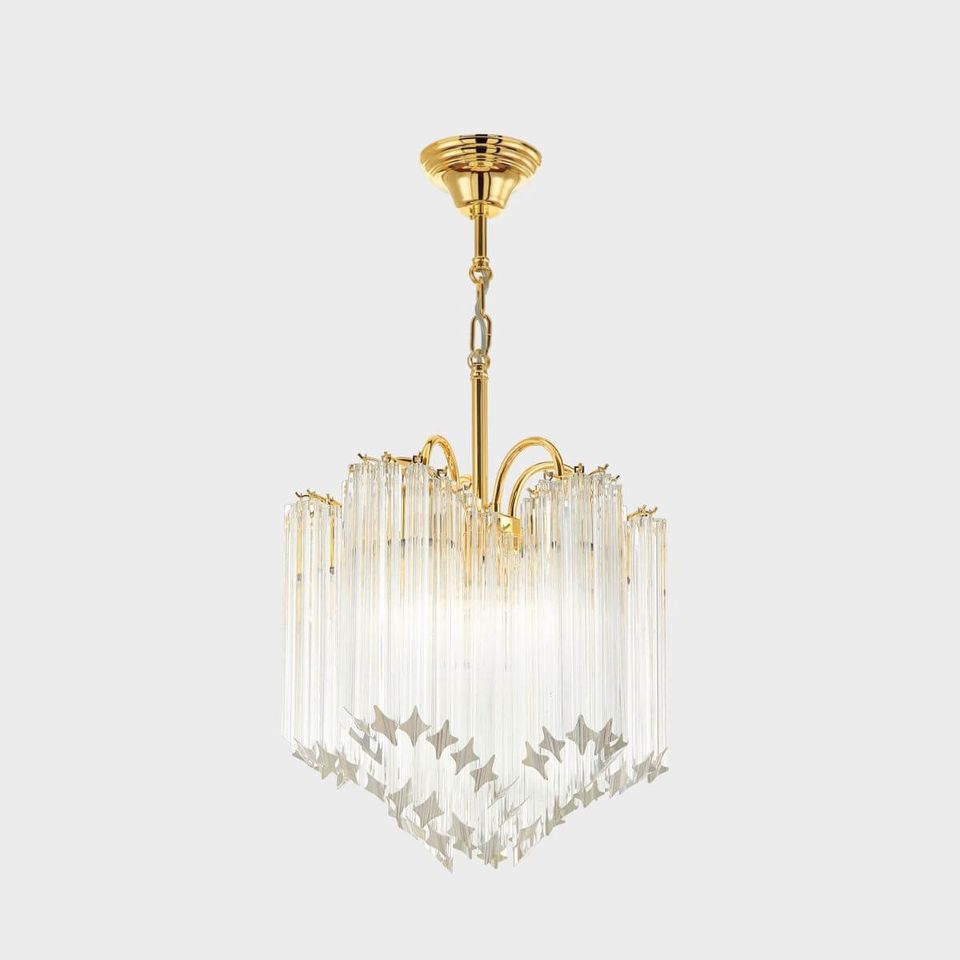
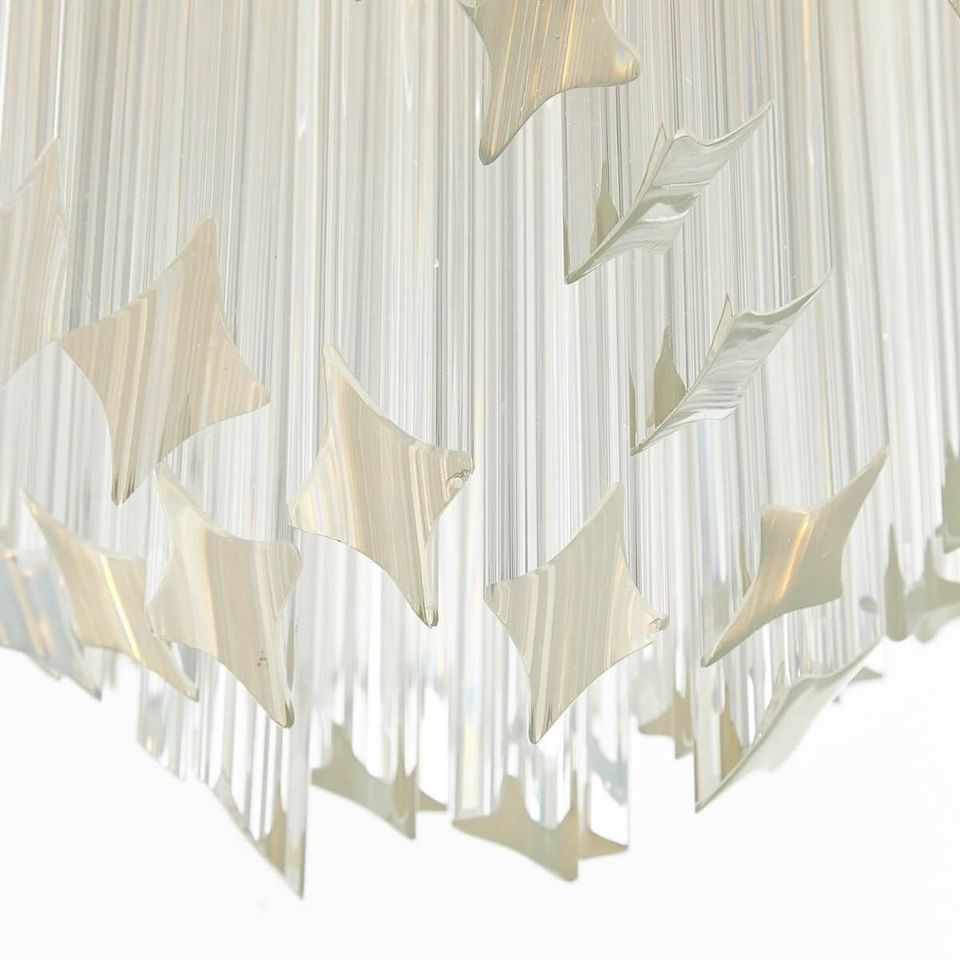
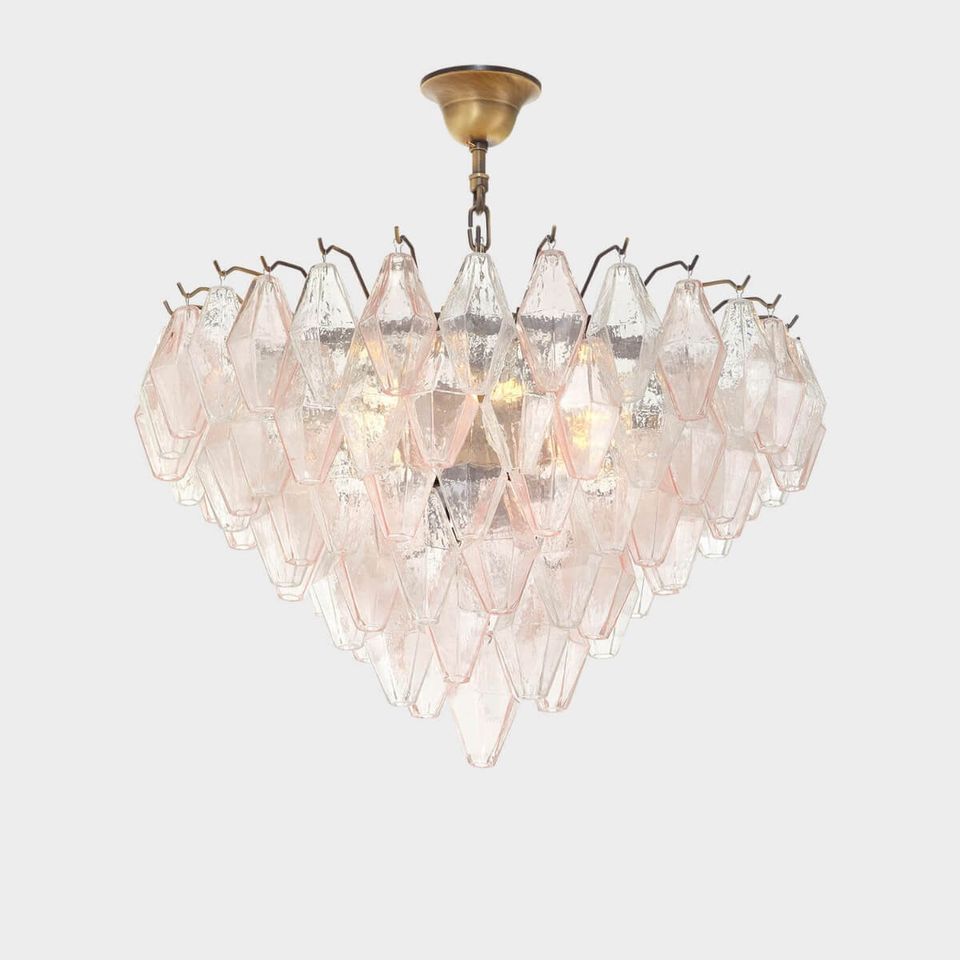
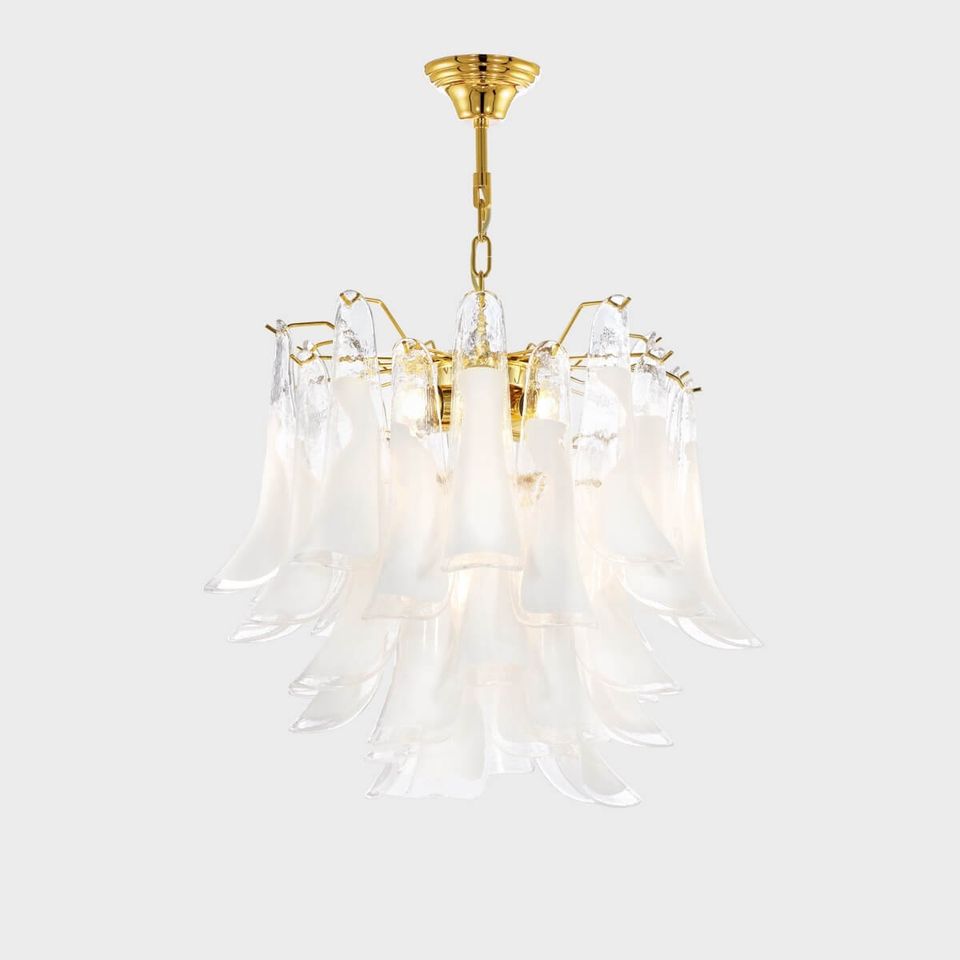
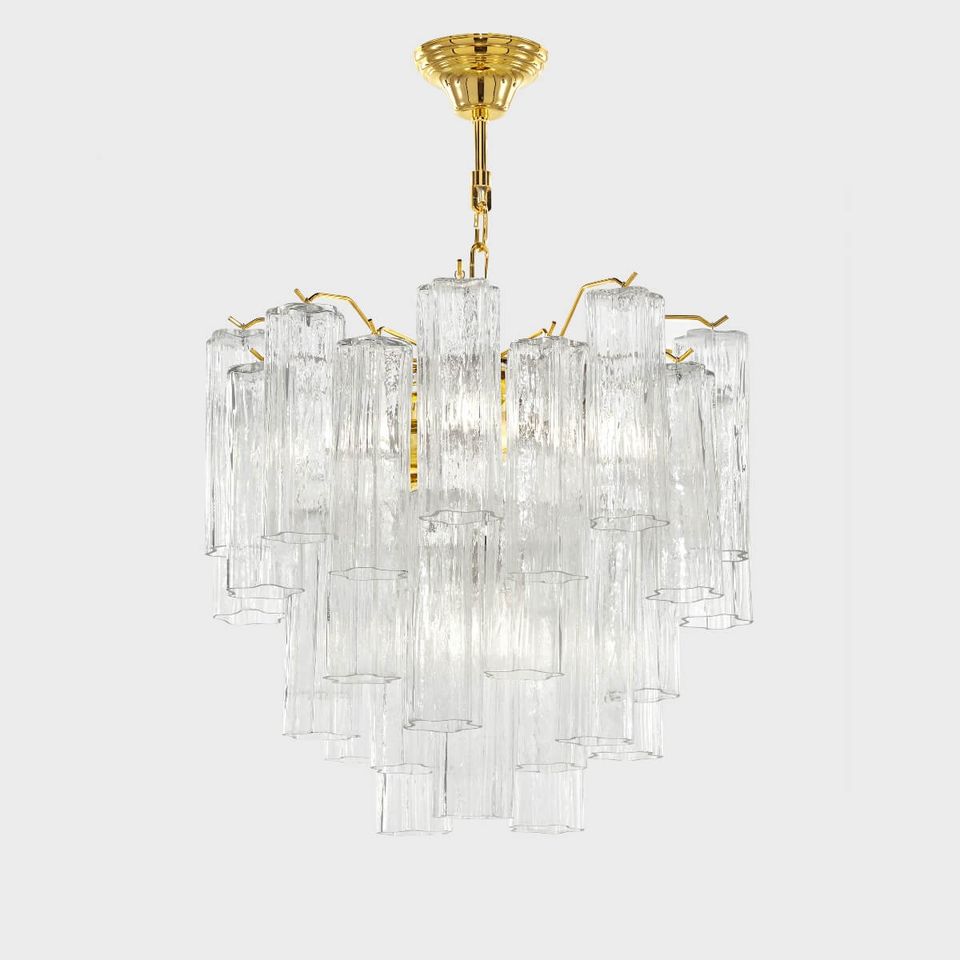
The classic production of a Sogni Di Cristallo® chandelier is an artisanal process that requires skill, experience and passion.
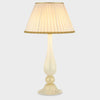
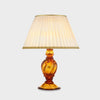
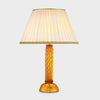
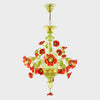
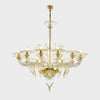
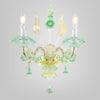
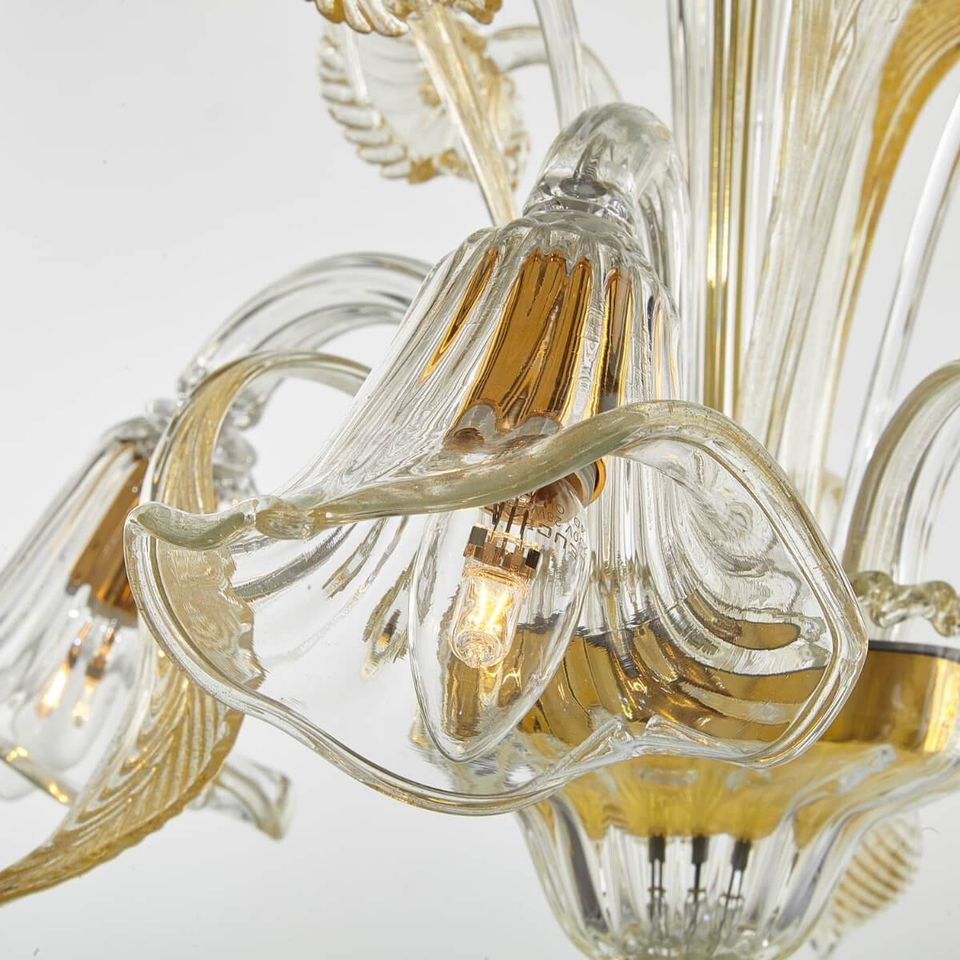
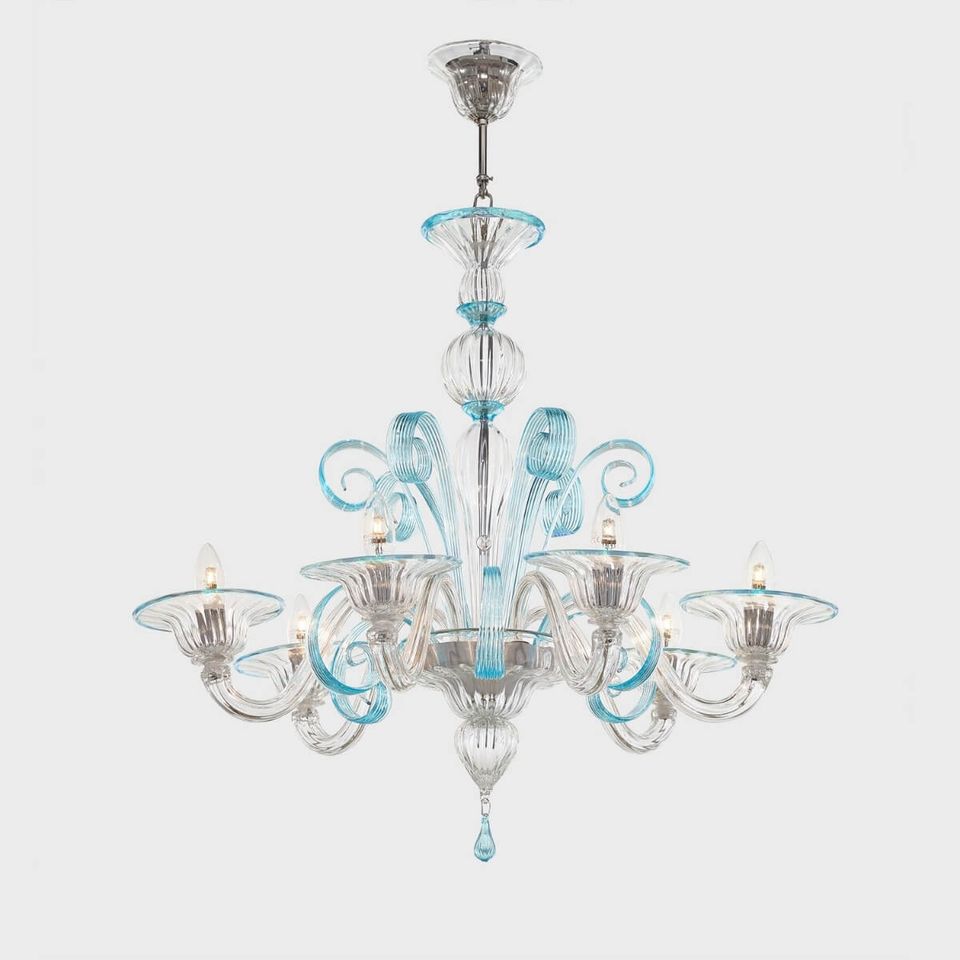
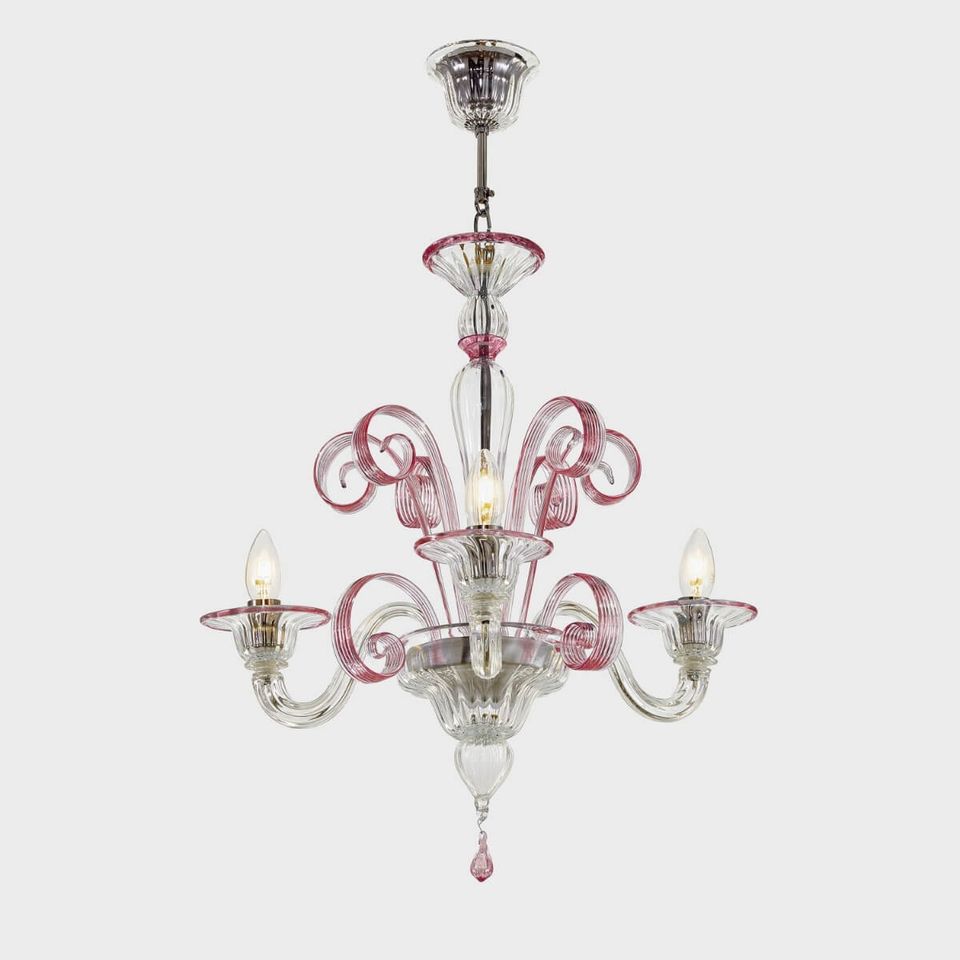
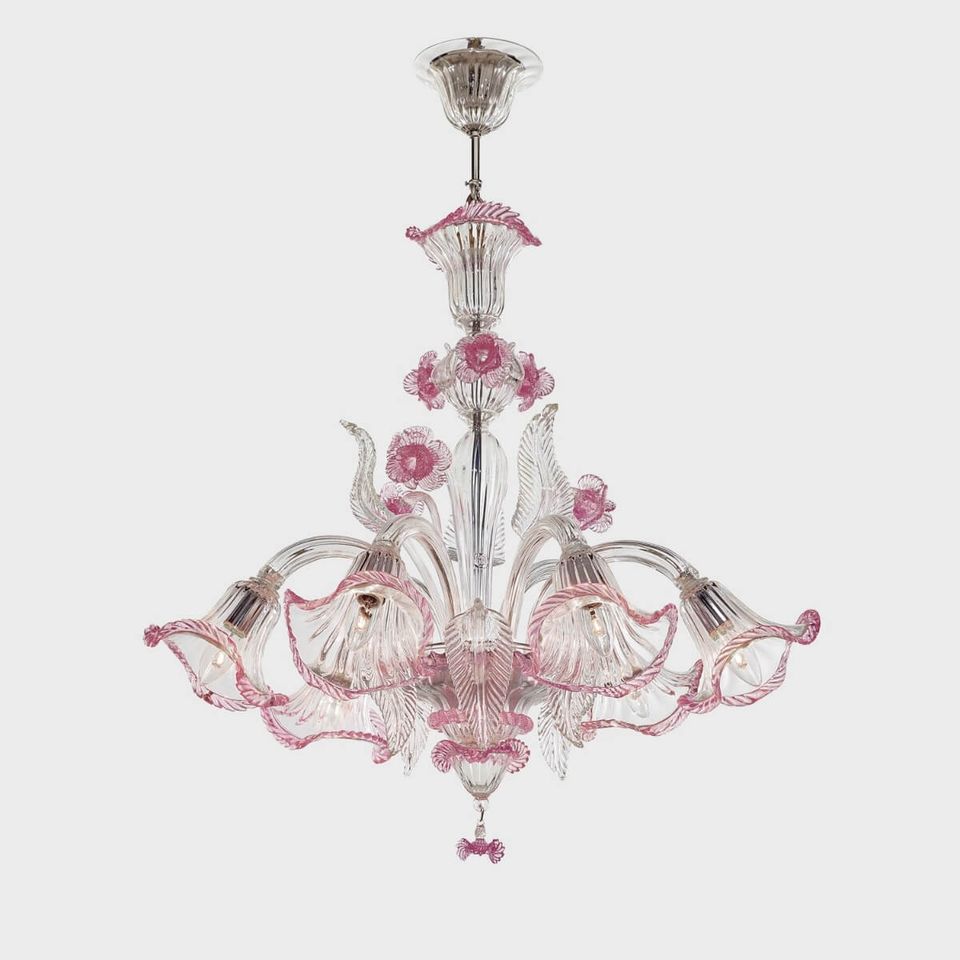
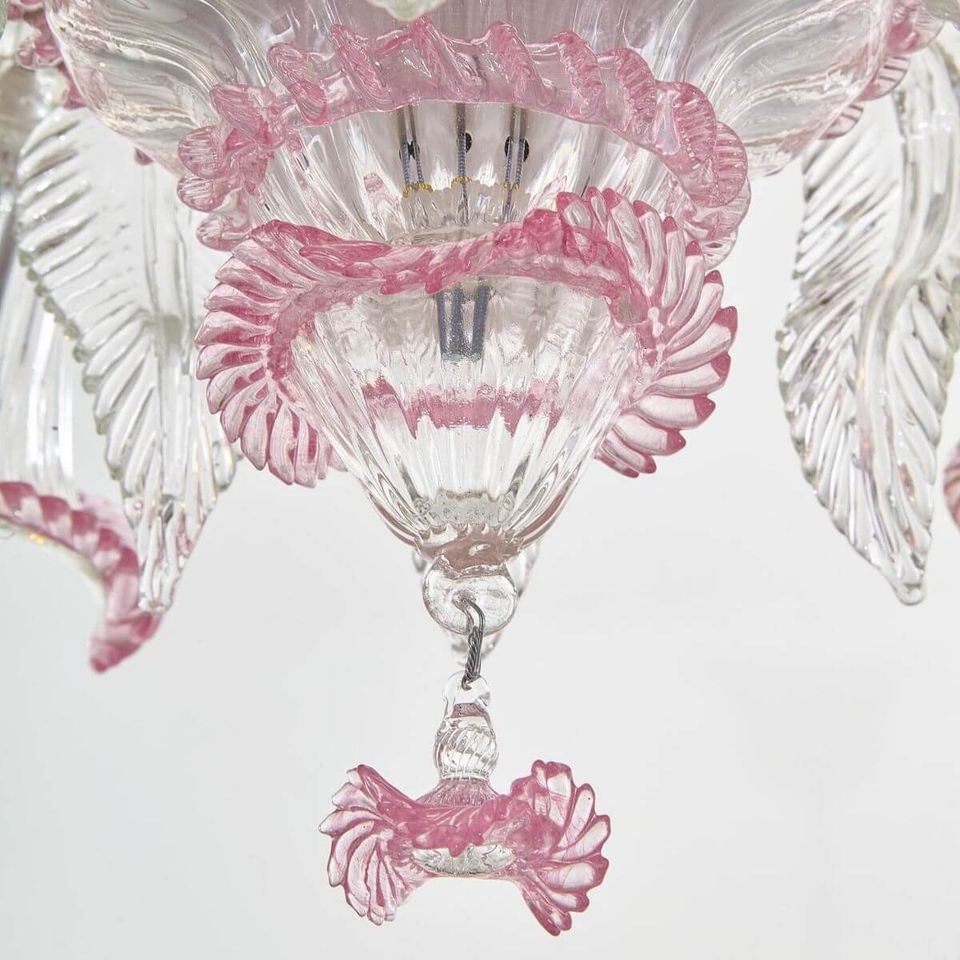
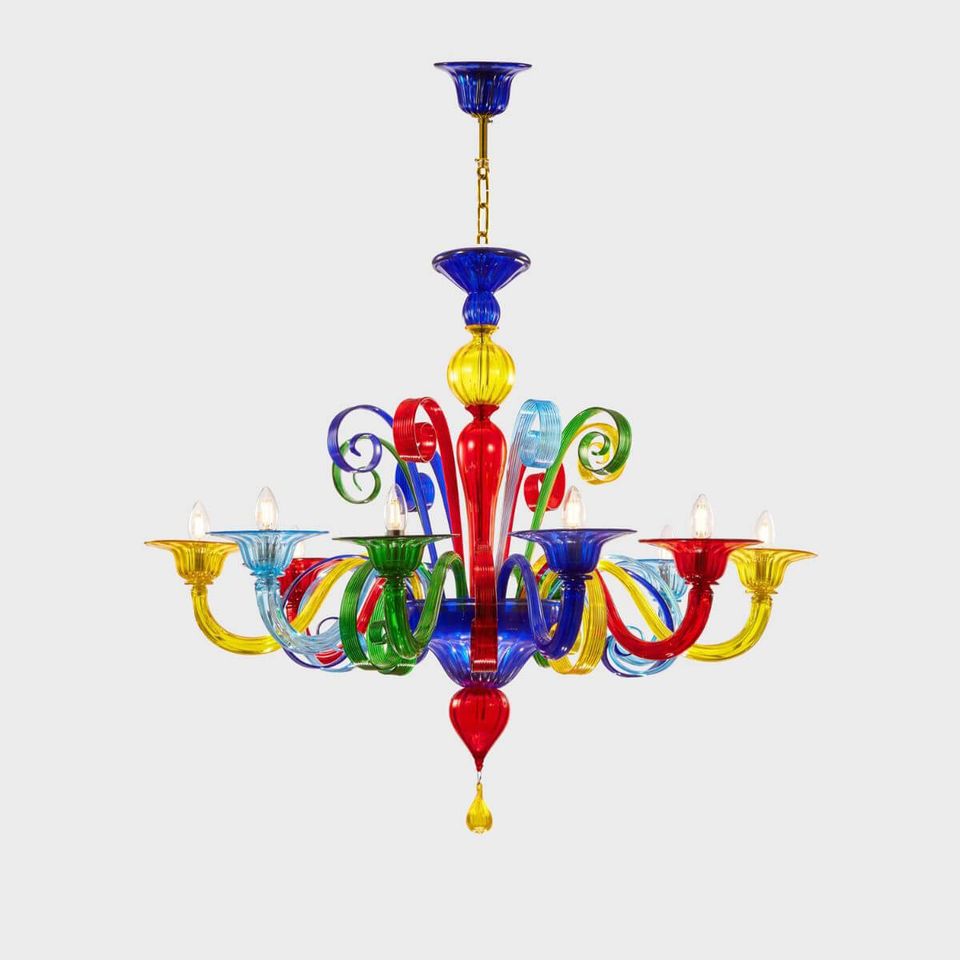
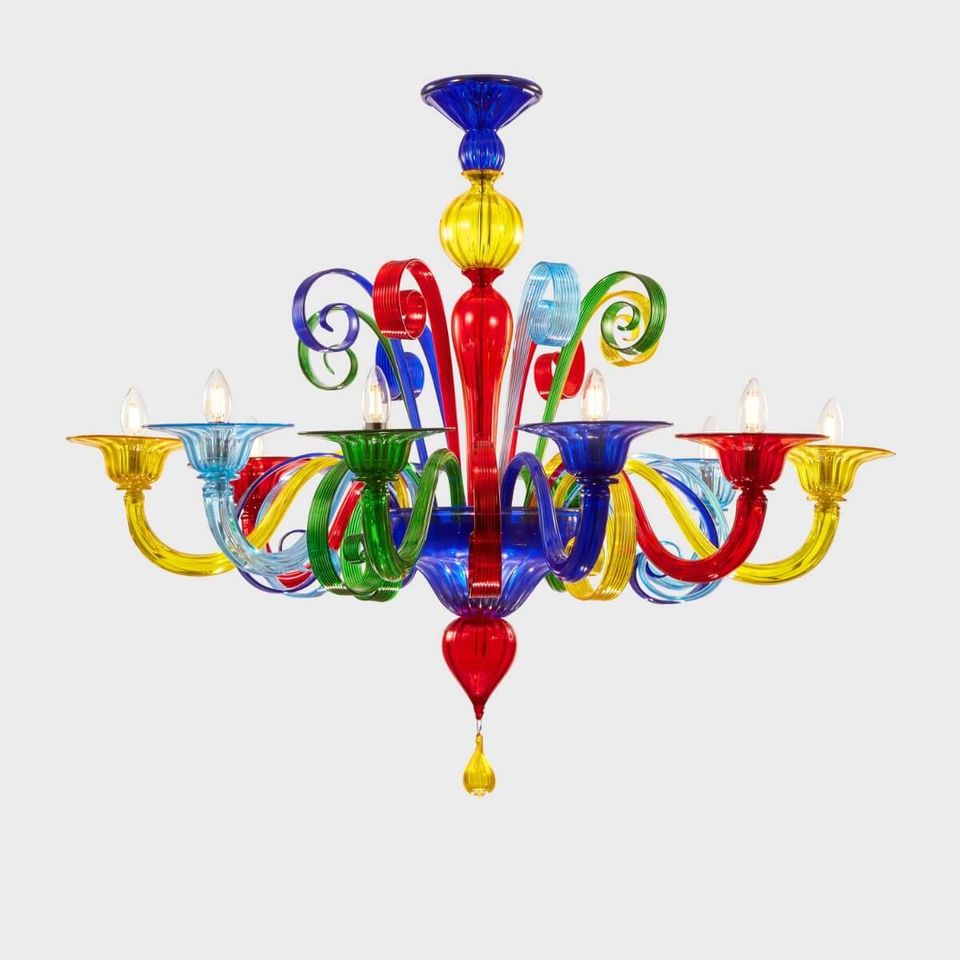
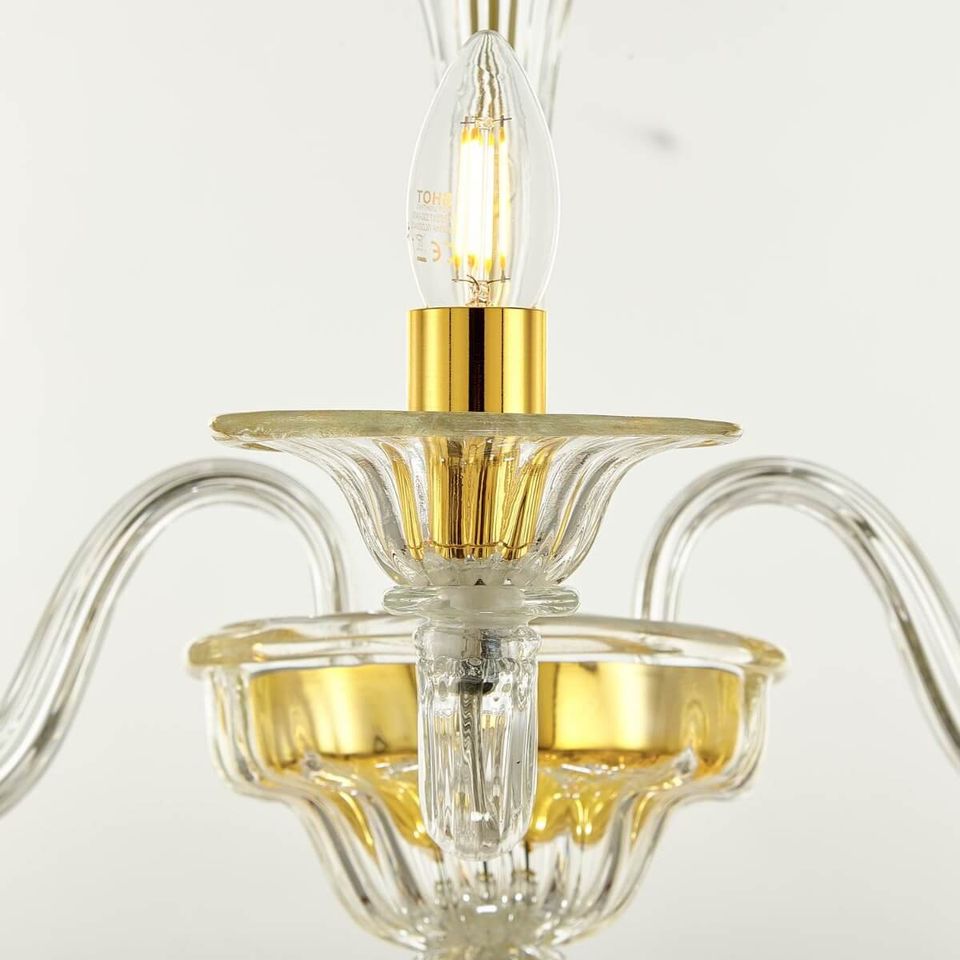
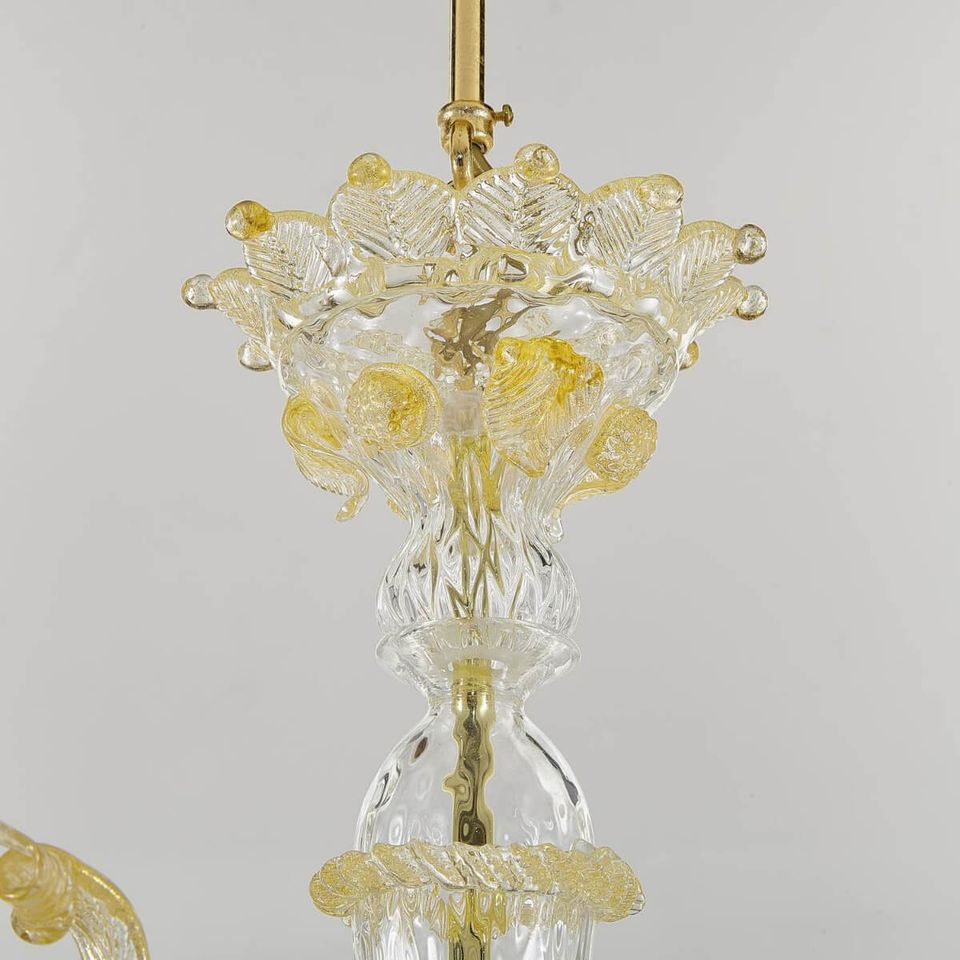
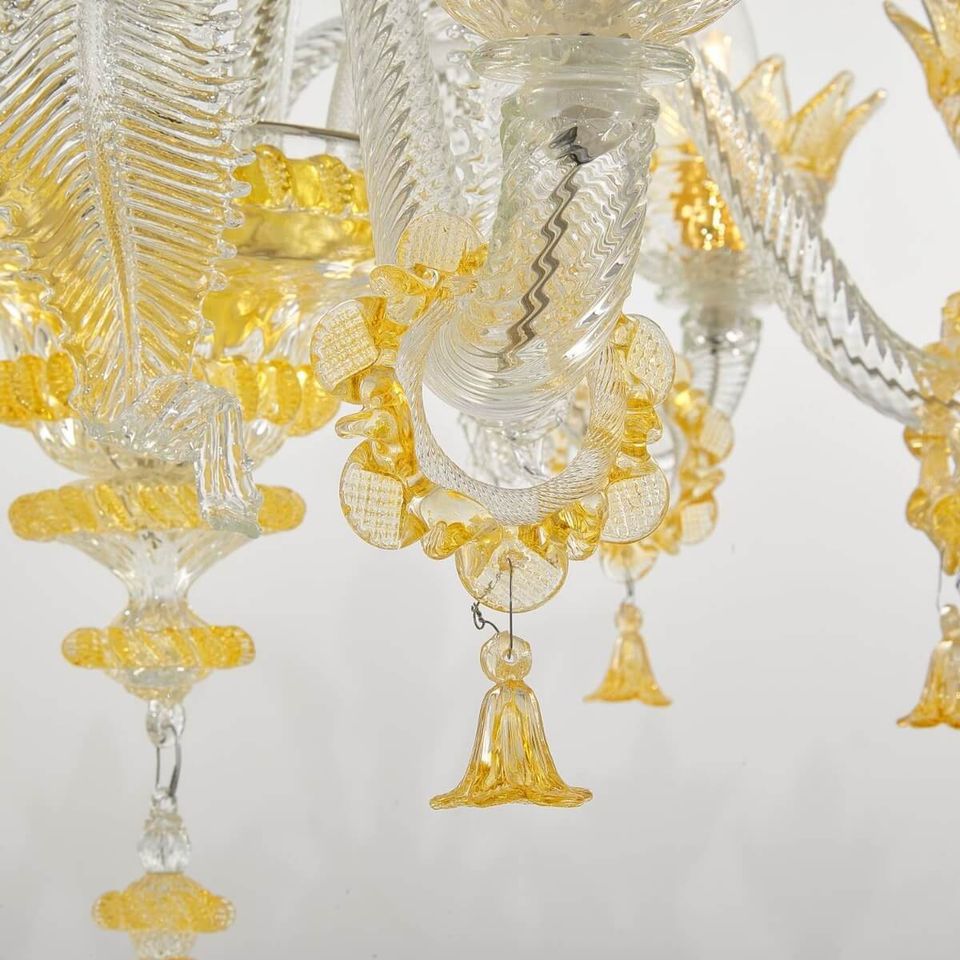
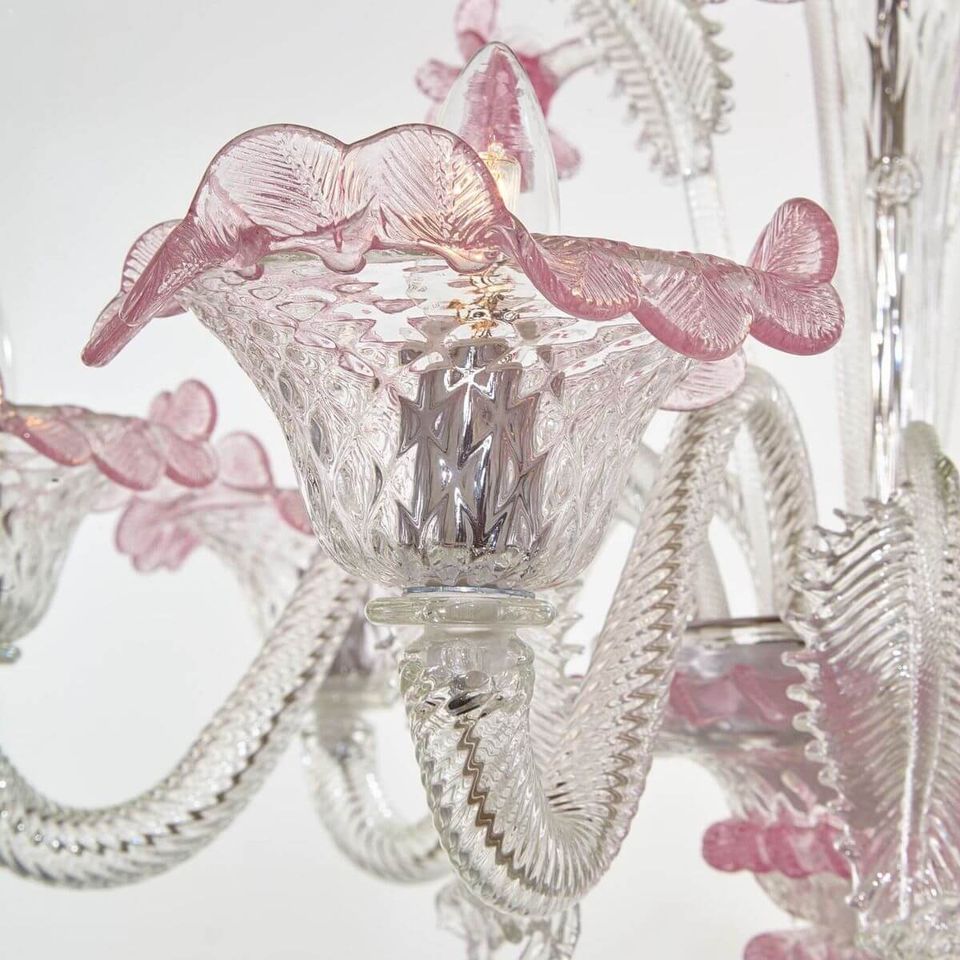
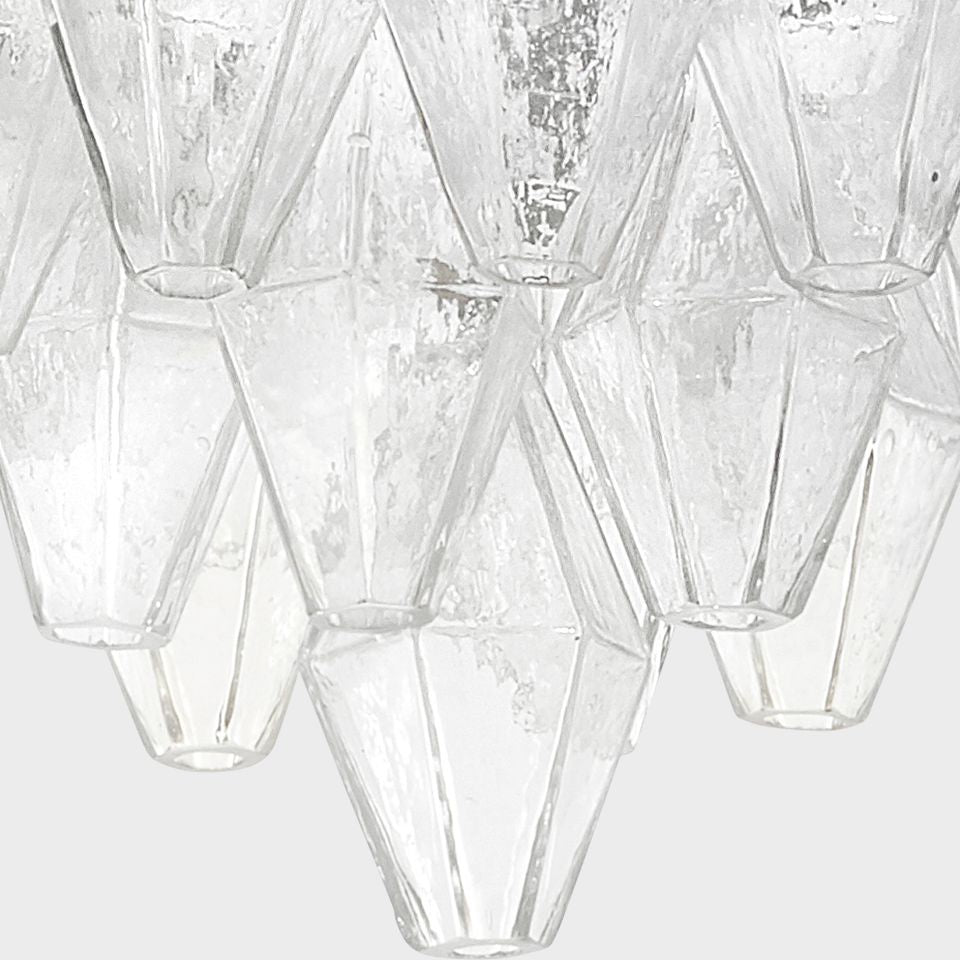
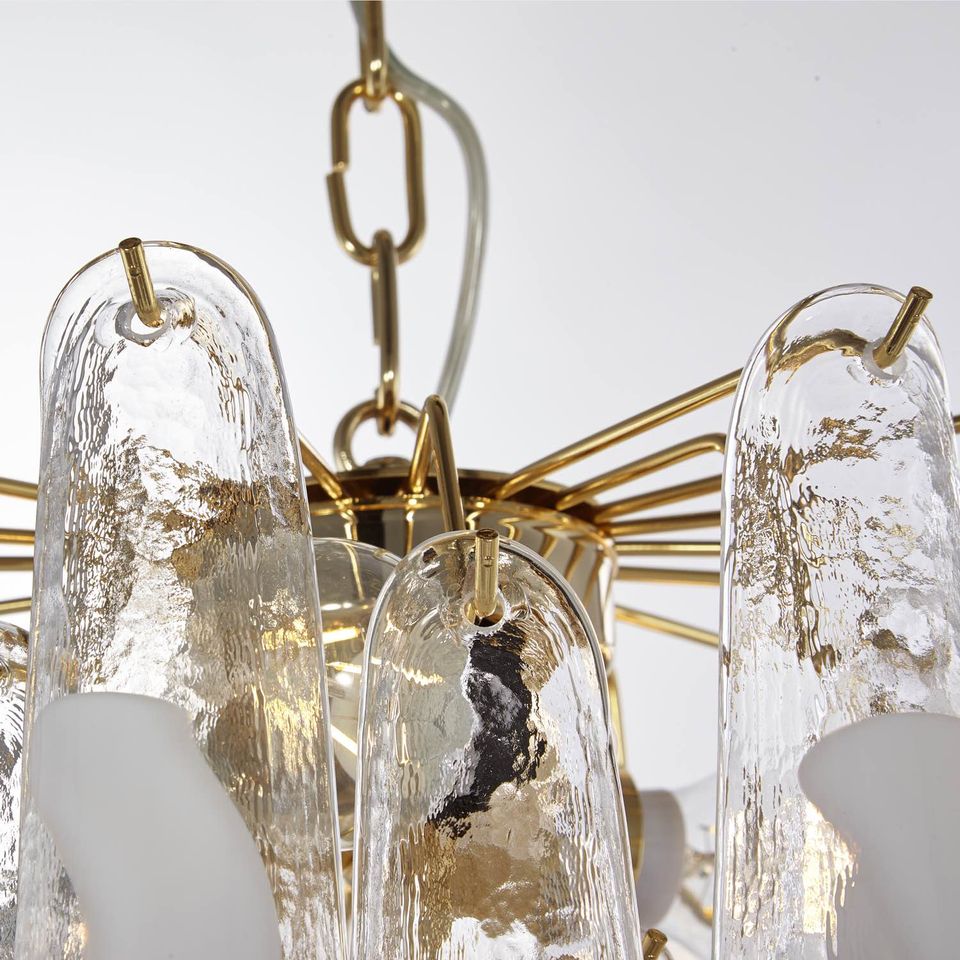
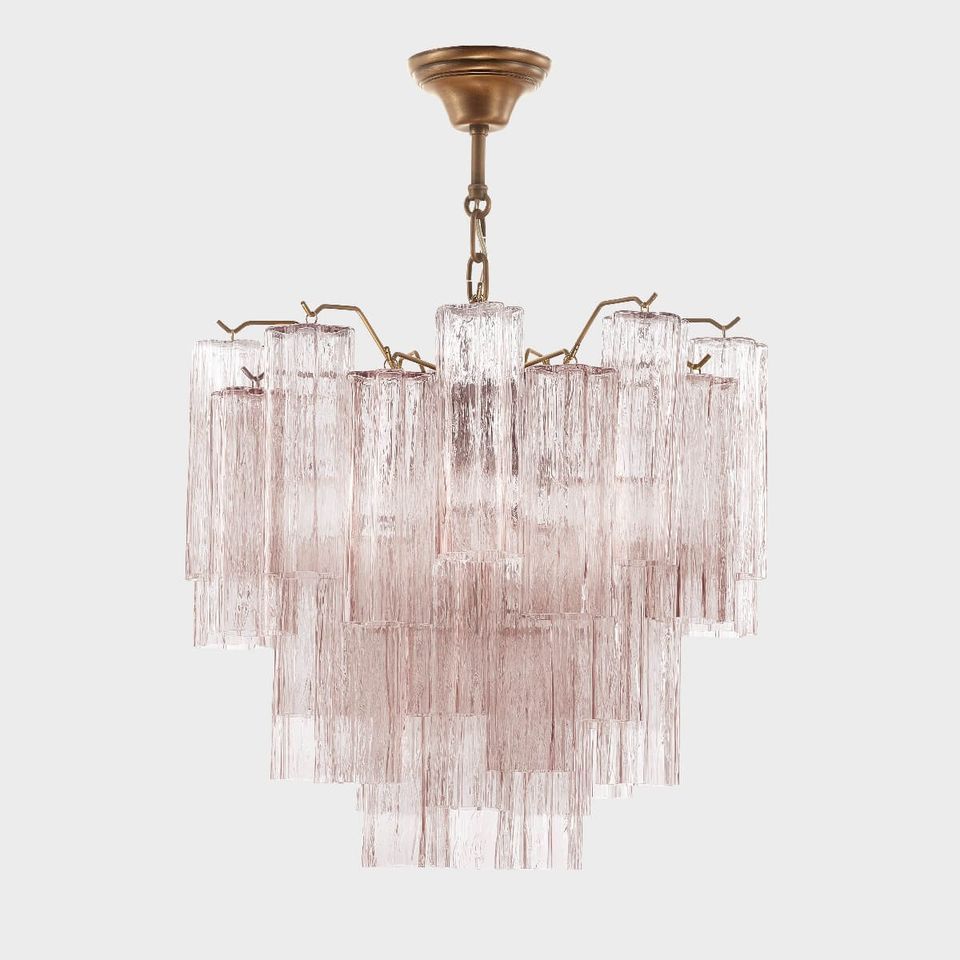
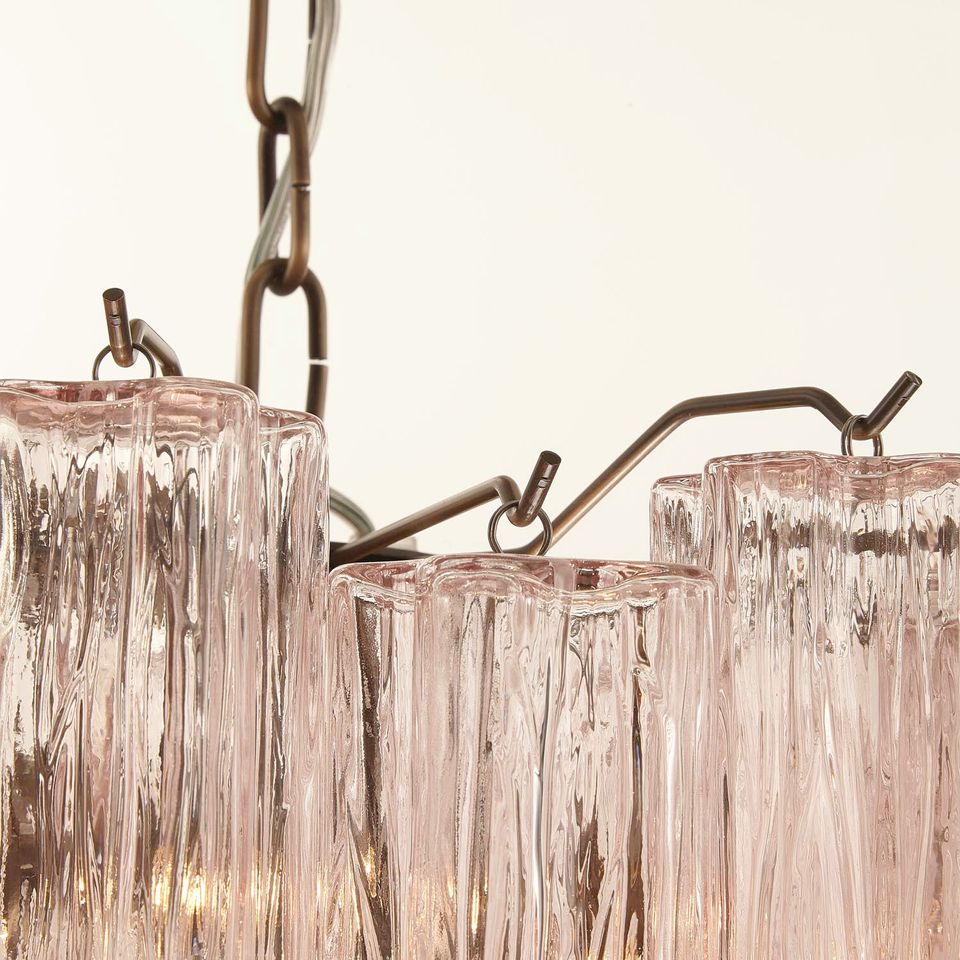
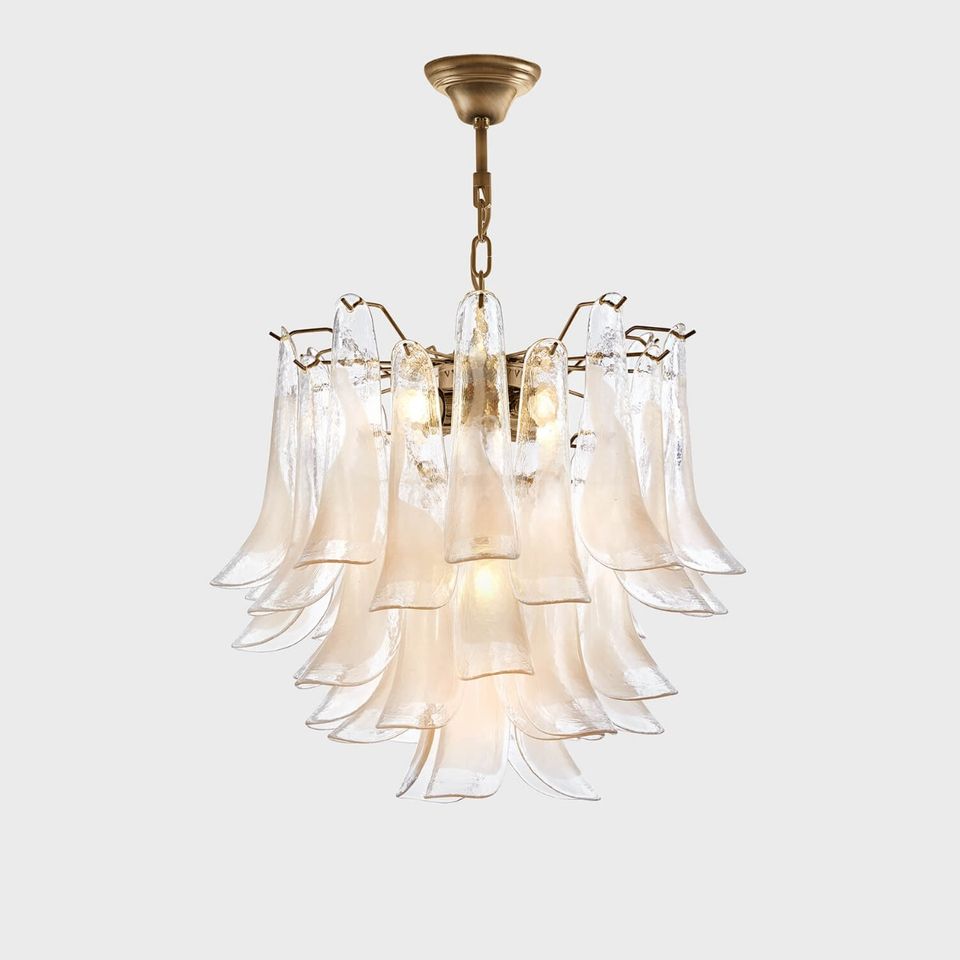
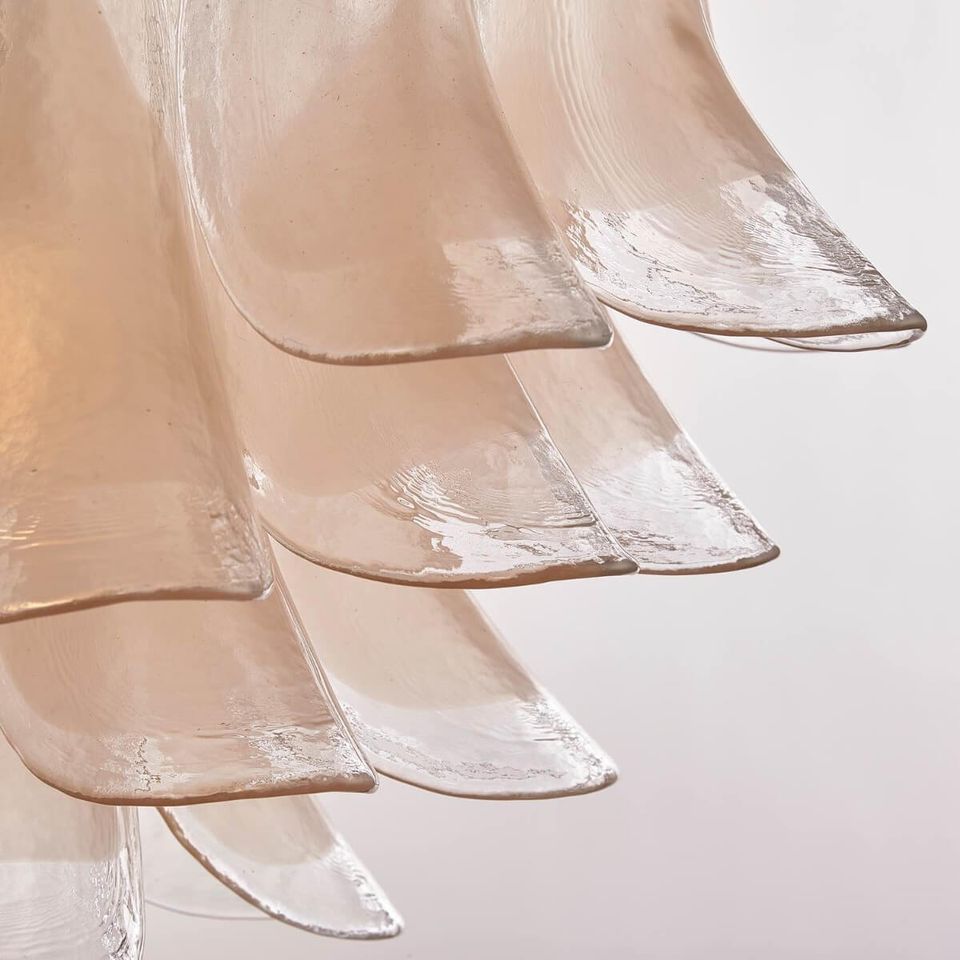
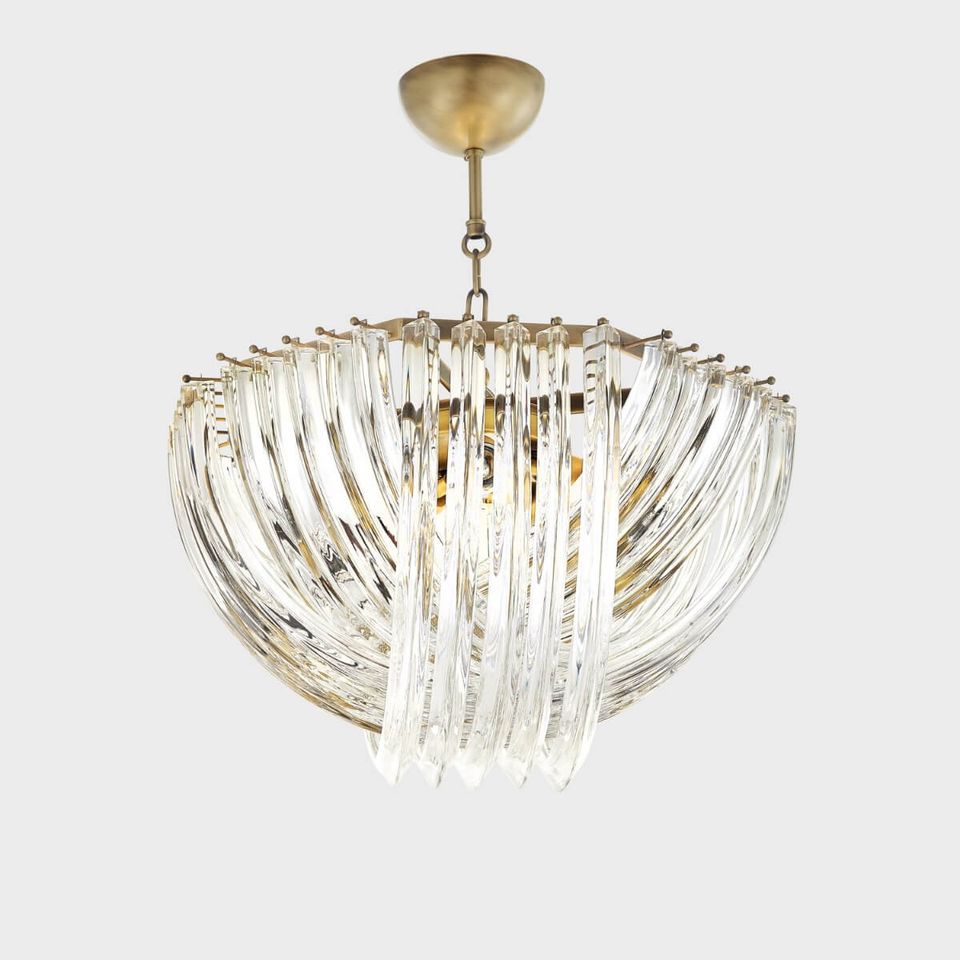
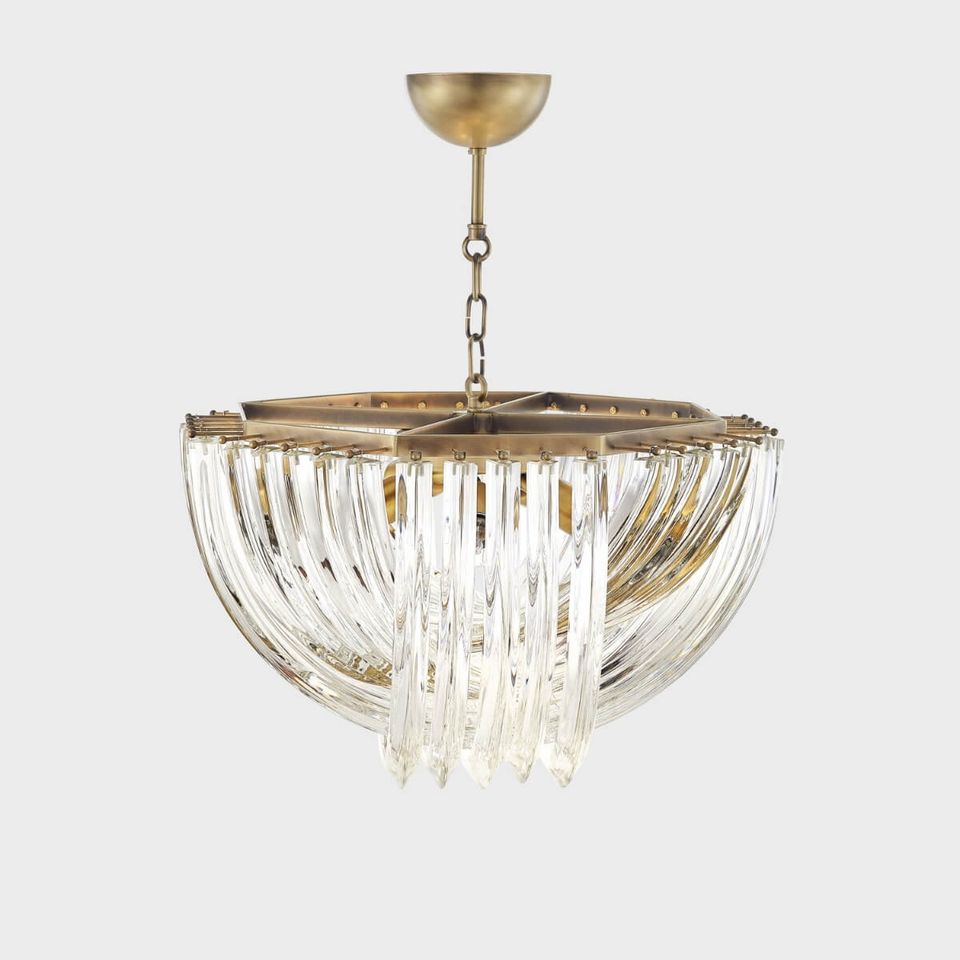
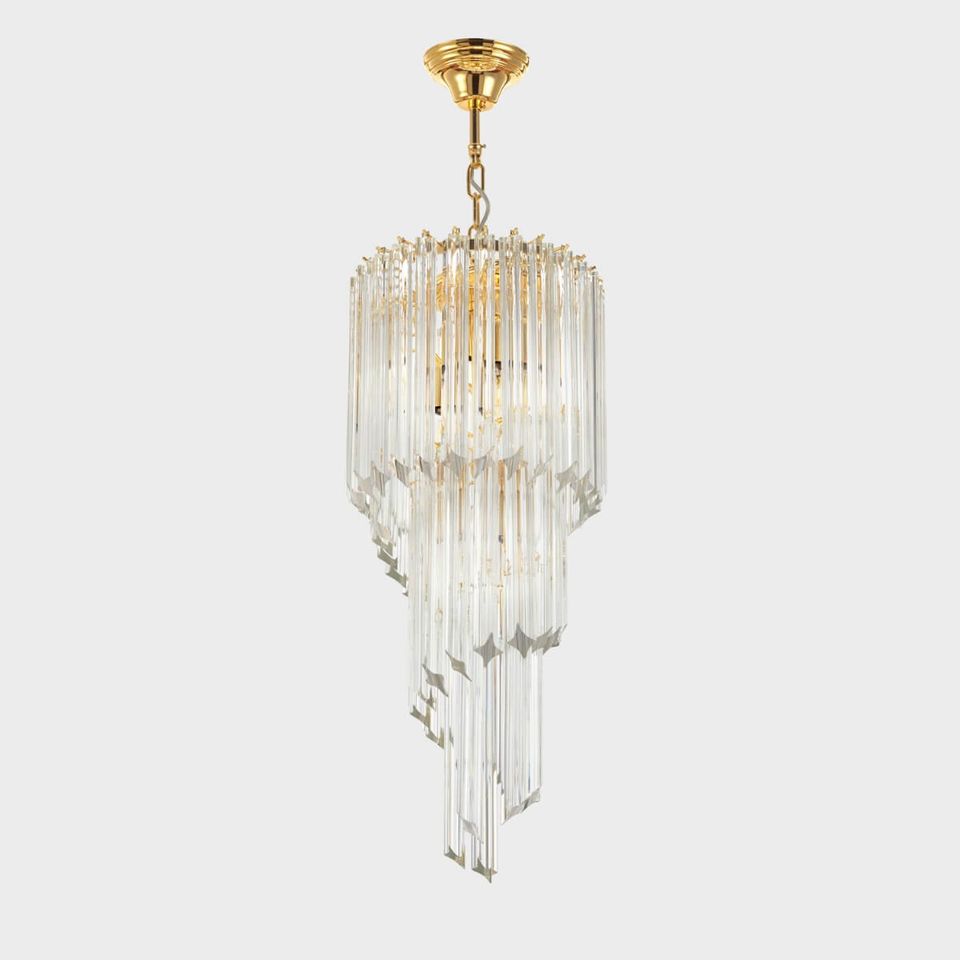
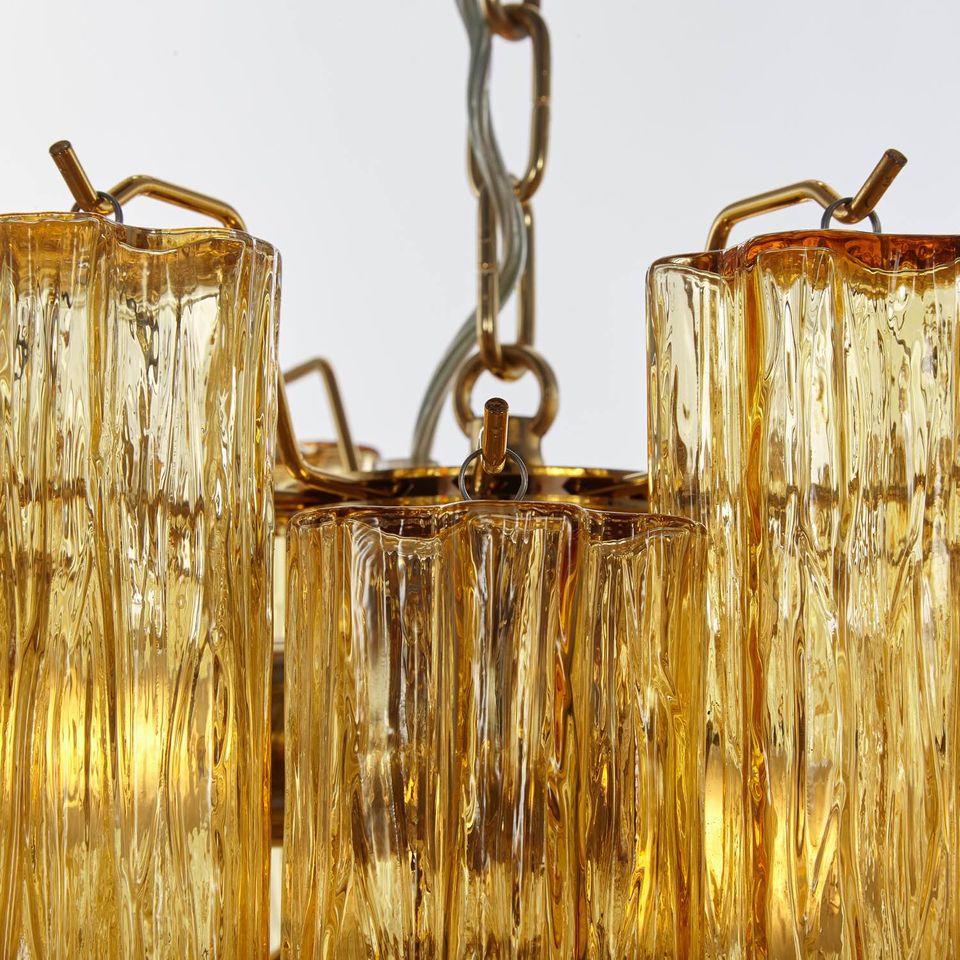
Our craftsmen begin by melting the glass, which is heated to very high temperatures in a special refractory stone furnace. Once the glass is malleable enough, the craftsman uses traditional tools such as pliers, chisels and blowers to shape the molten glass. This process requires precision and skill to create the elegant patterns, curls and decorations typical of the traditional Murano artistic technique. After the shaping stage, the chandelier is left to cool slowly to stabilise the glass. Next, handmade glass ornaments and pendants are added, giving the chandelier an elegant and luminous appearance. Finally, it is mounted on a metal frame so that it can be hung from the ceiling.
The ancient technique of blown glass, a Venetian heritage.
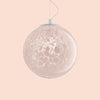
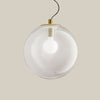
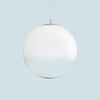
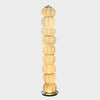
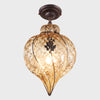
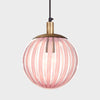
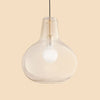
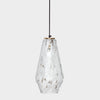
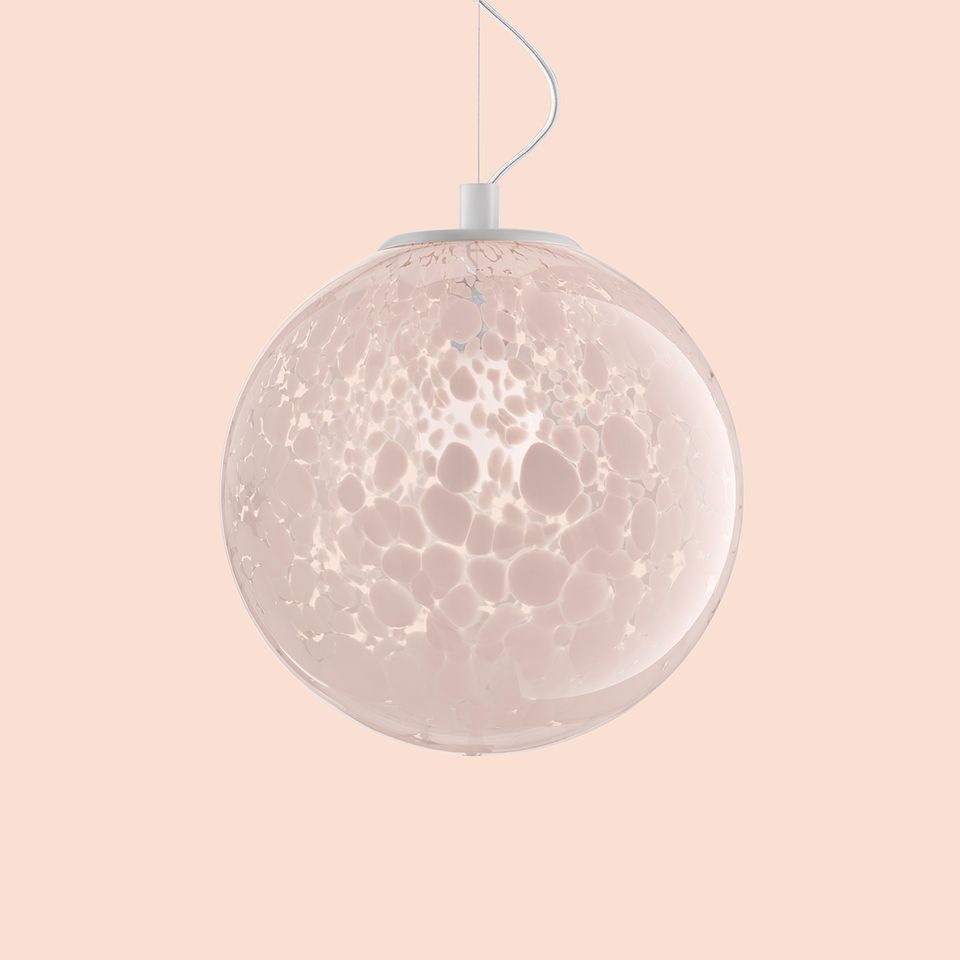
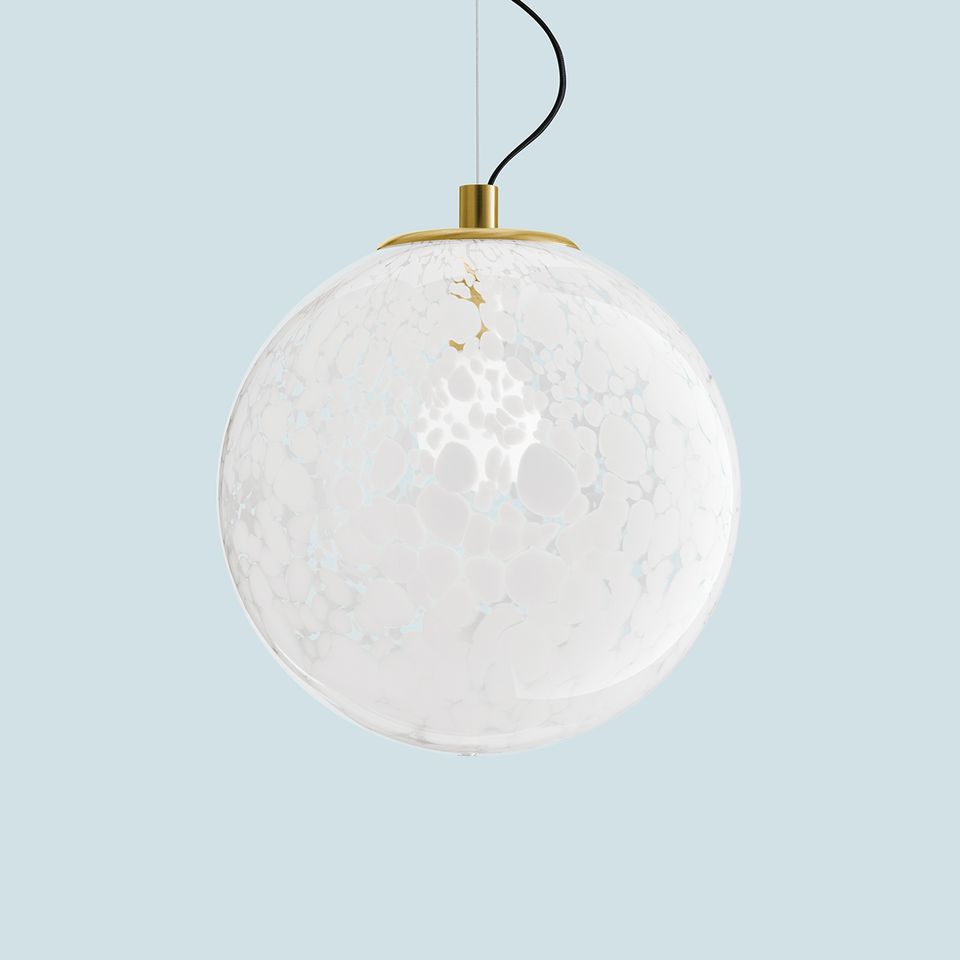
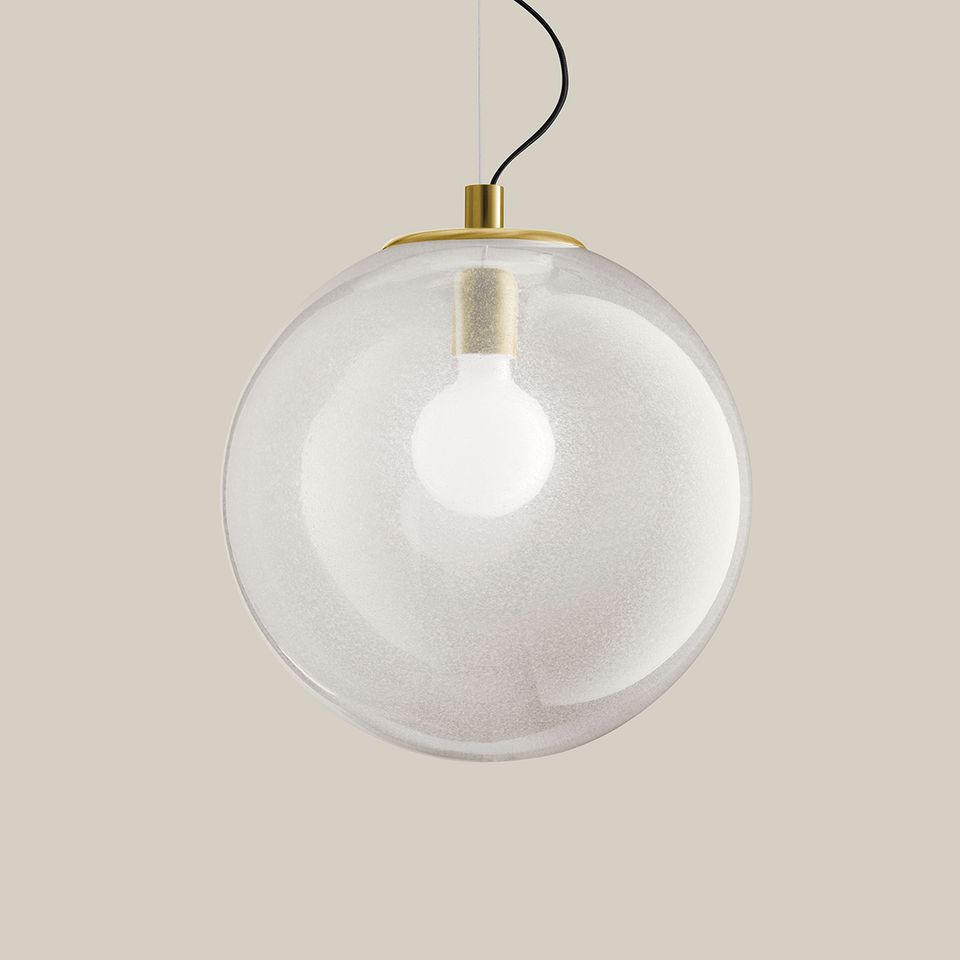
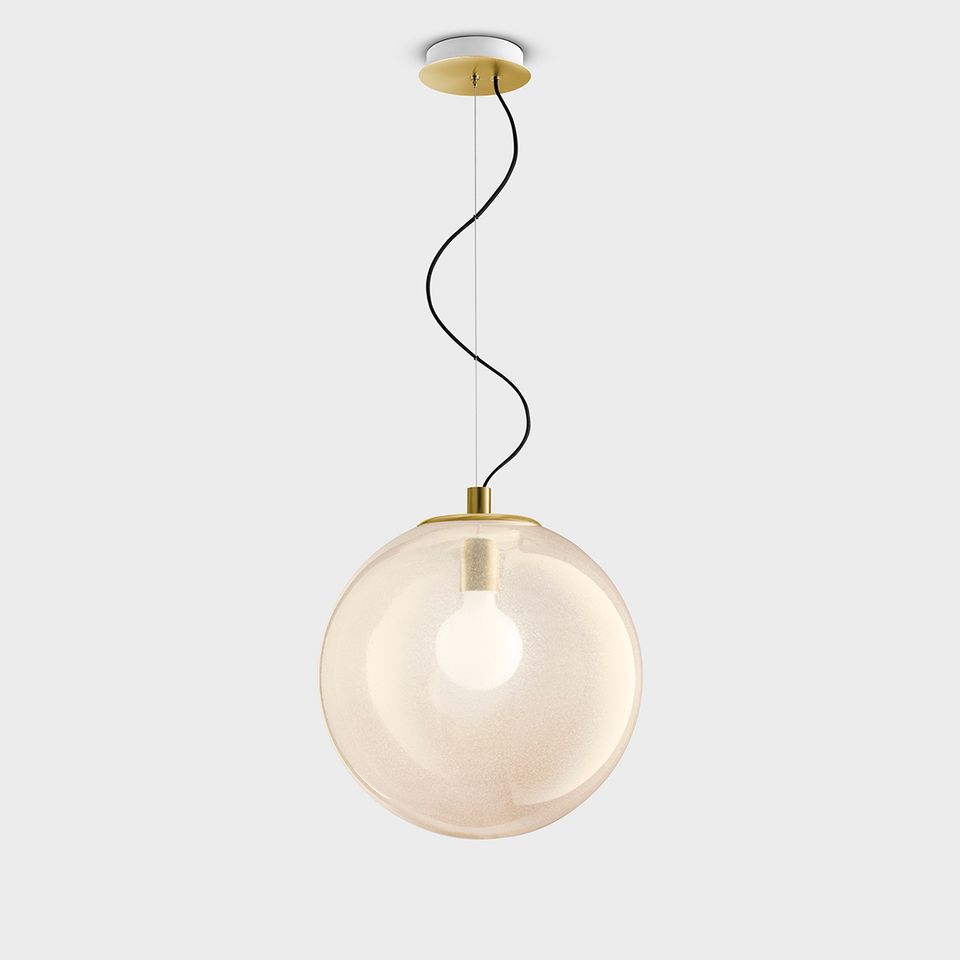
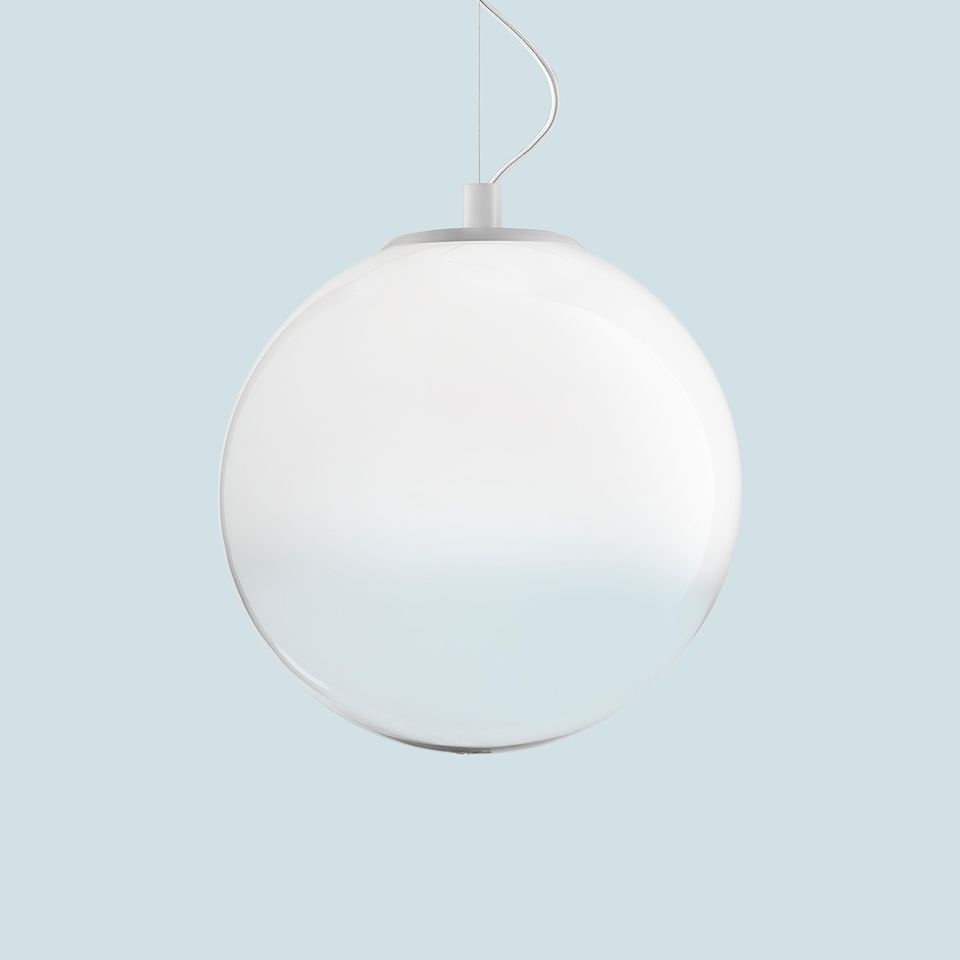
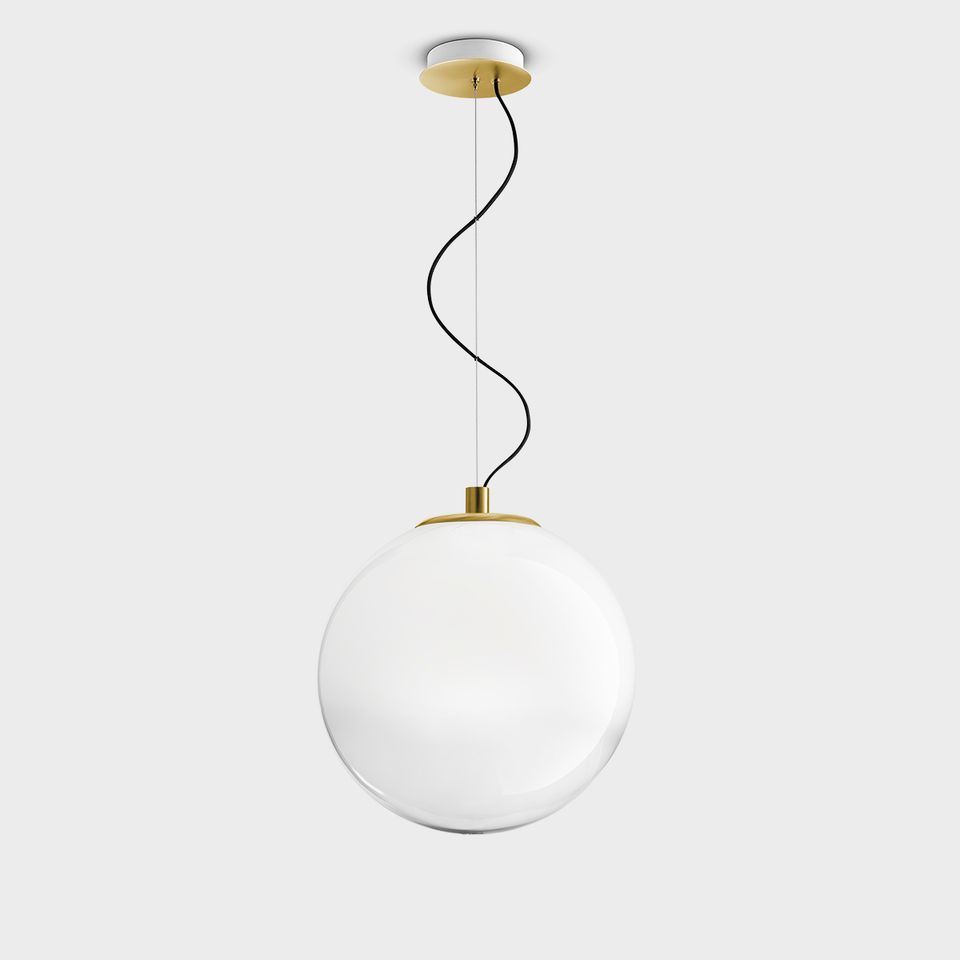
Glassblowing is a fascinating glass forming technique and the craftsmen who have adopted this skill are called "glassblowers". It is a question of inflating the molten glass with the help of a long blow pipe: the air enters the glass bubble which is gradually worked by the master blower. Using the rod as a rotation axis, the incandescent sphere is rolled on an iron plate until marbling is achieved. Thus, a sphere takes shape, similar to a soap bubble, which is worked with extensions, constraints and finally left to hang or raised until it hardens.
The infinite possibilities of the artistic expression of glass fusion.
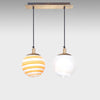
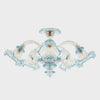
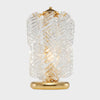
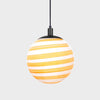
Plate glass involves the fusion of glass on glass, or the fusion and modeling of a single glass plate in an oven. This technique, also called glass fusion, consists in the fusion of large surfaces of glass and color, called "plates", which are decorated with glass fragments of different sizes, colors, and carats, arranged in such a way as to compose abstract figures or decorations. Glass fusion is an ancient technique, which today is revived and reinterpreted thanks to technological innovations, always remaining current and constantly evolving, also thanks to the creativity of the various artists who use it.
When substance takes shape.
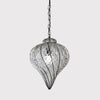
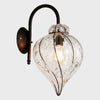
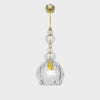
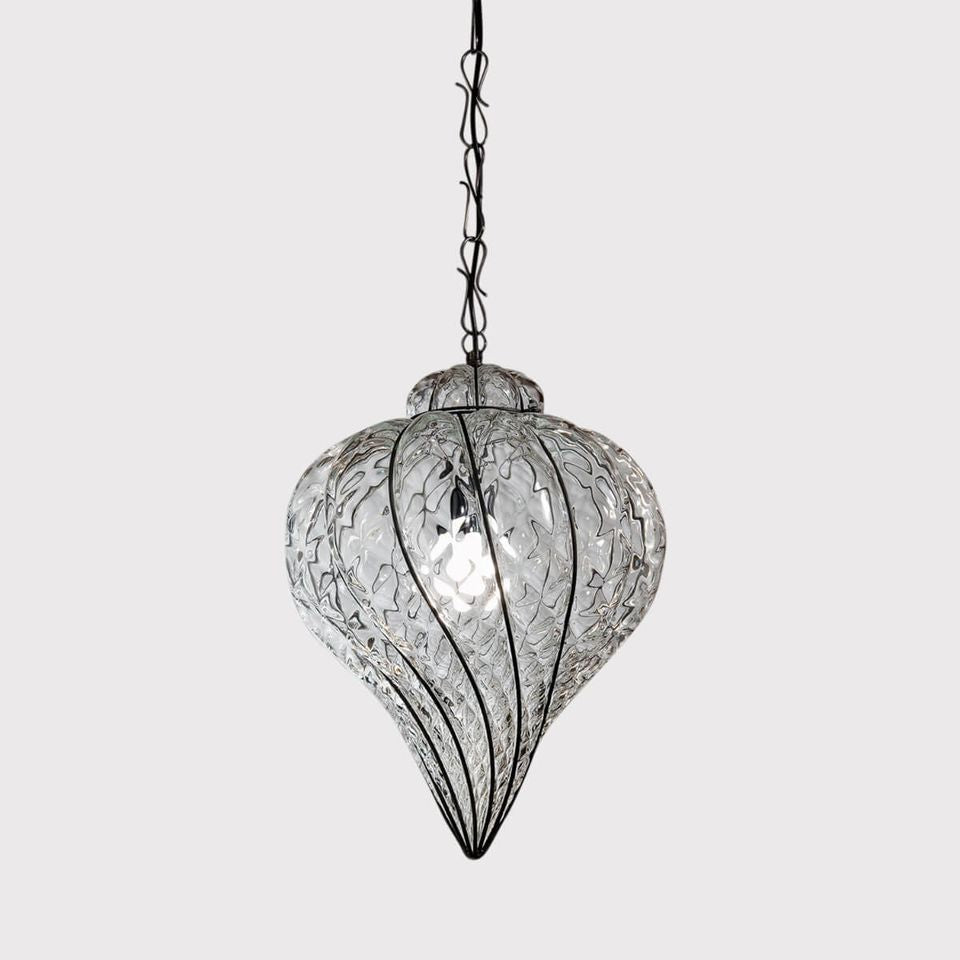
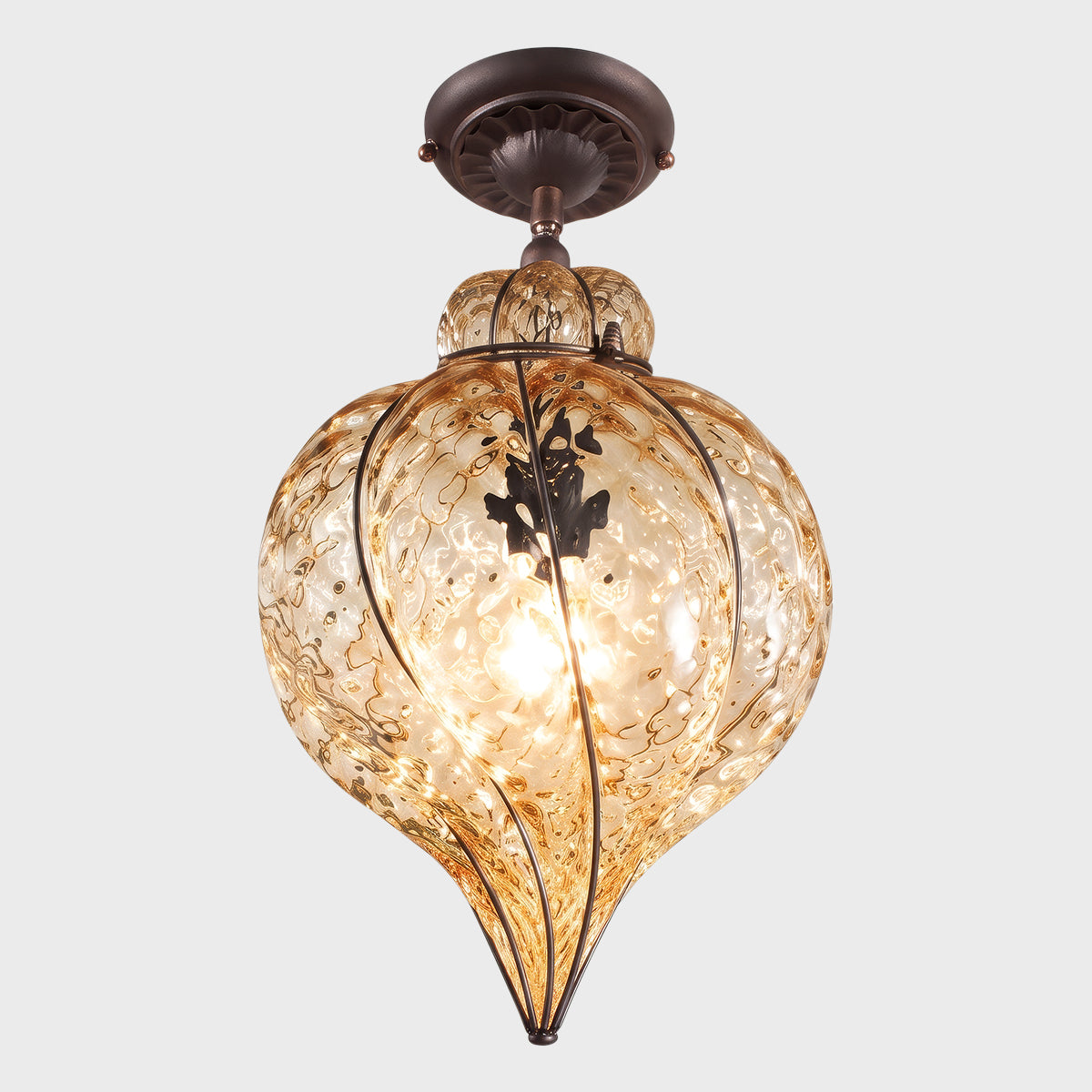
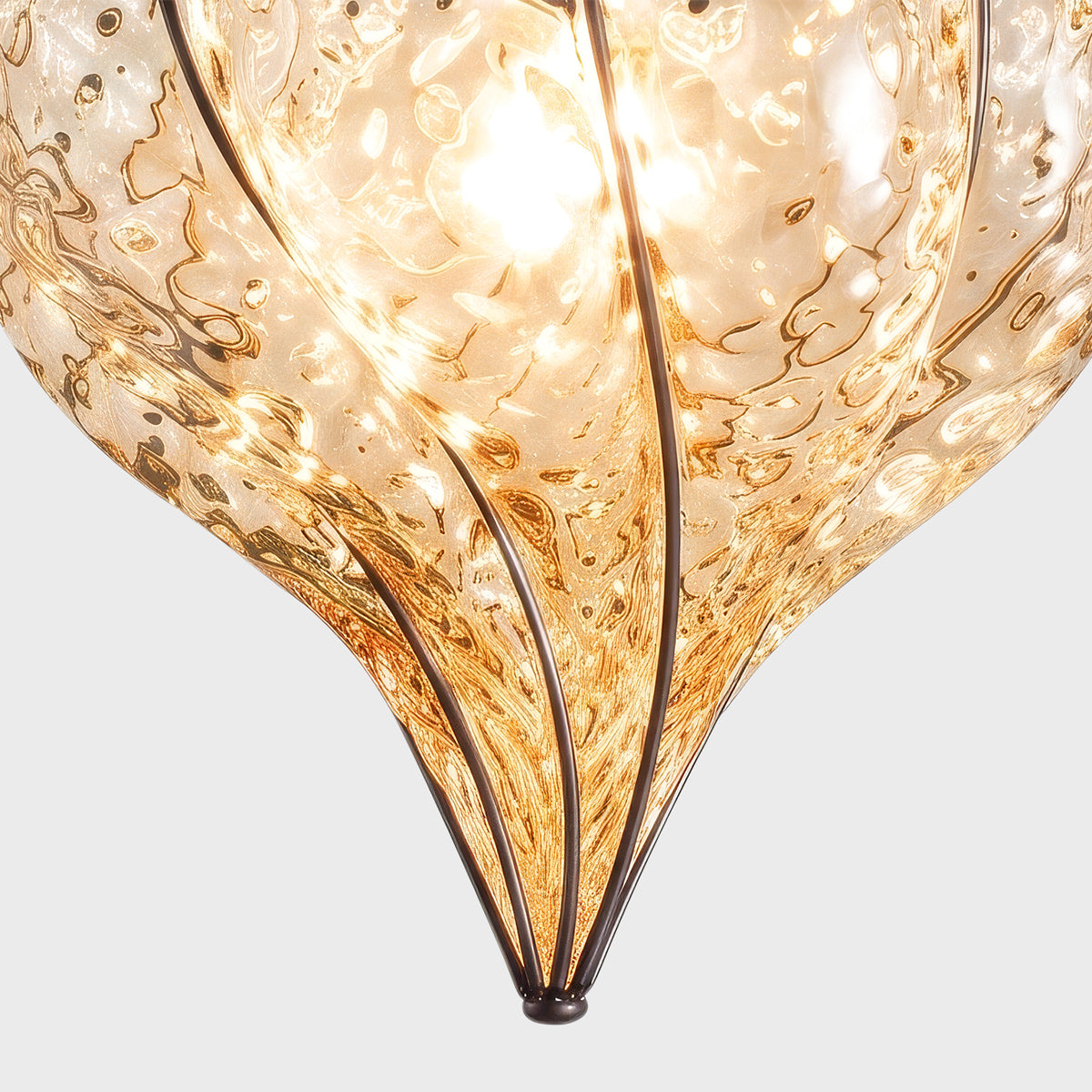
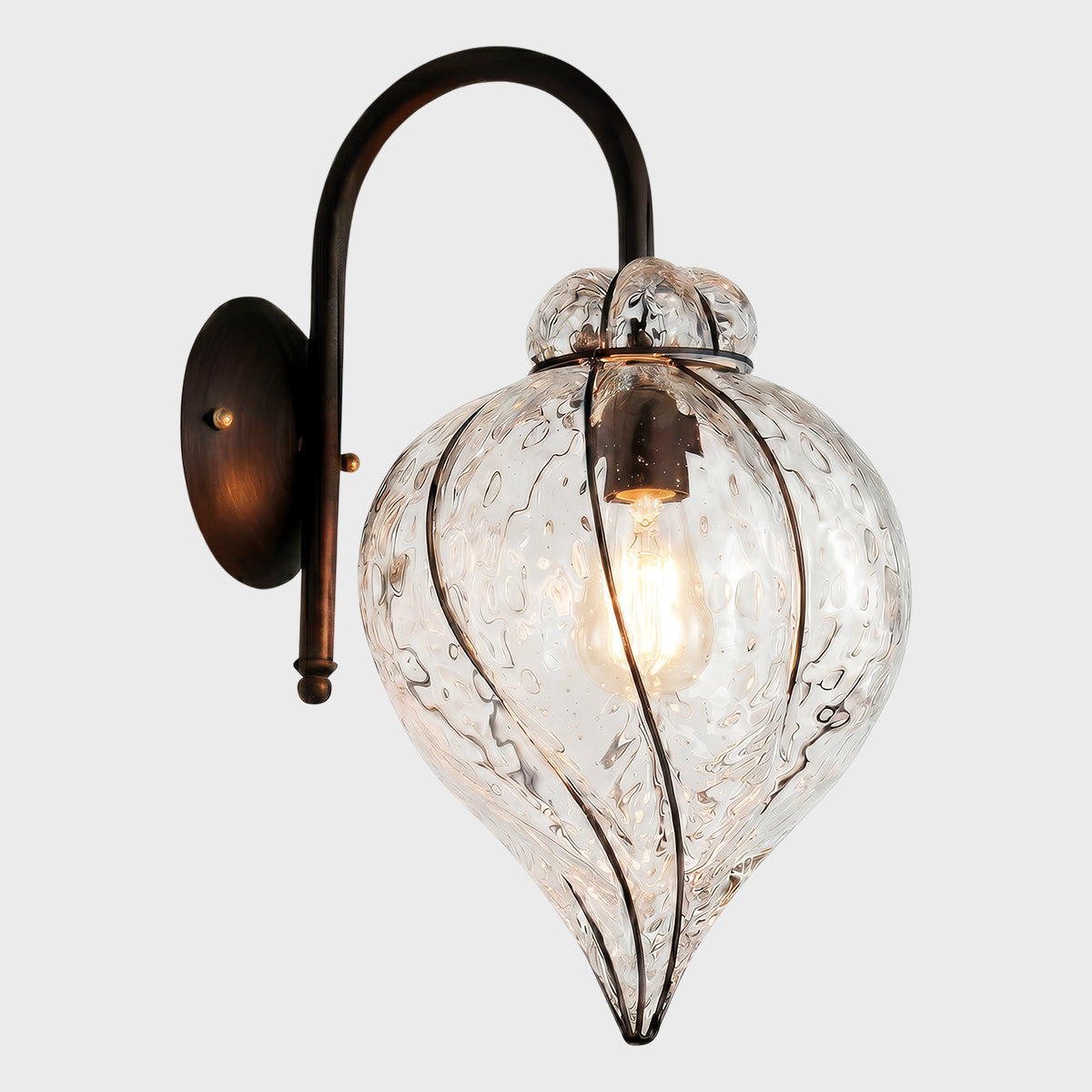
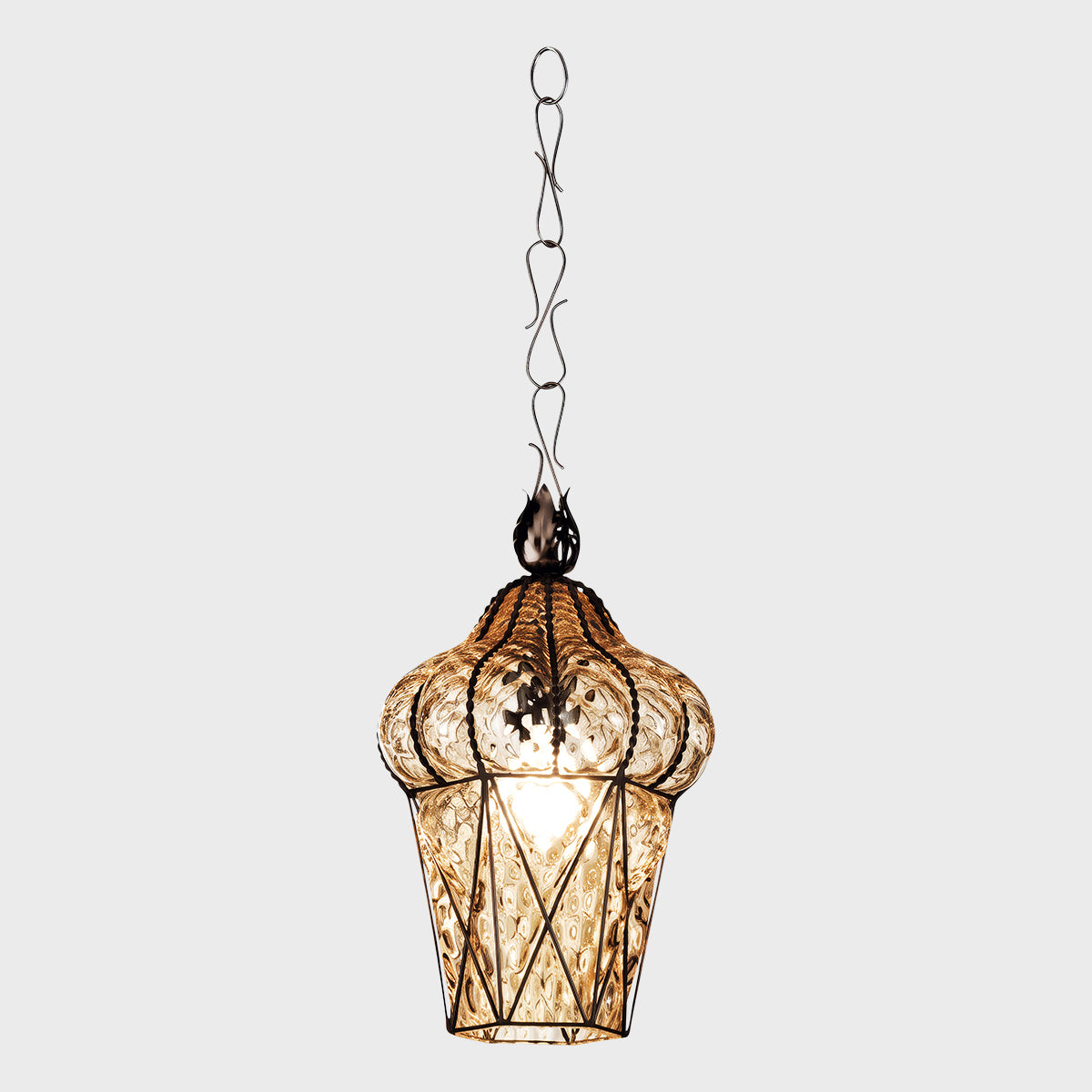
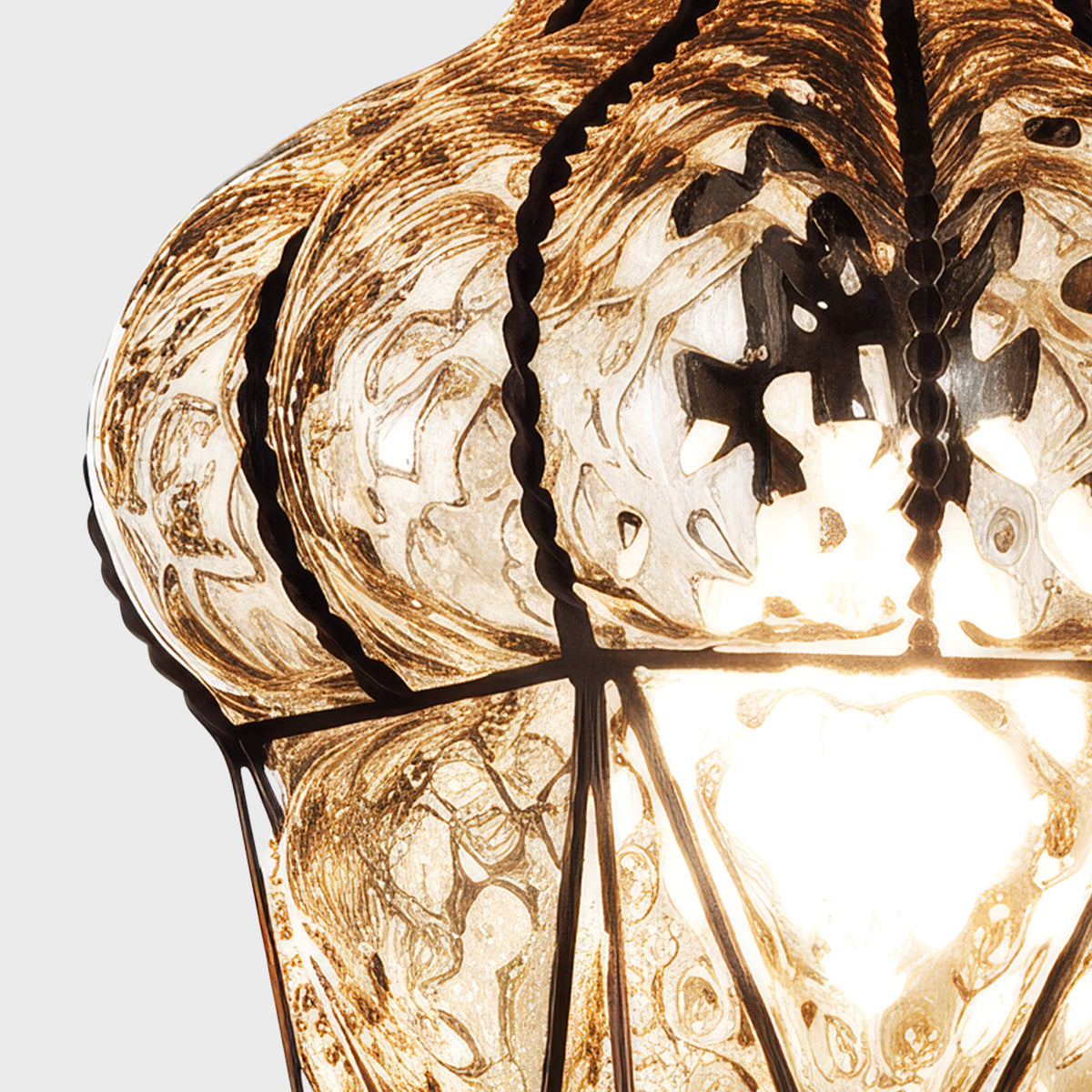
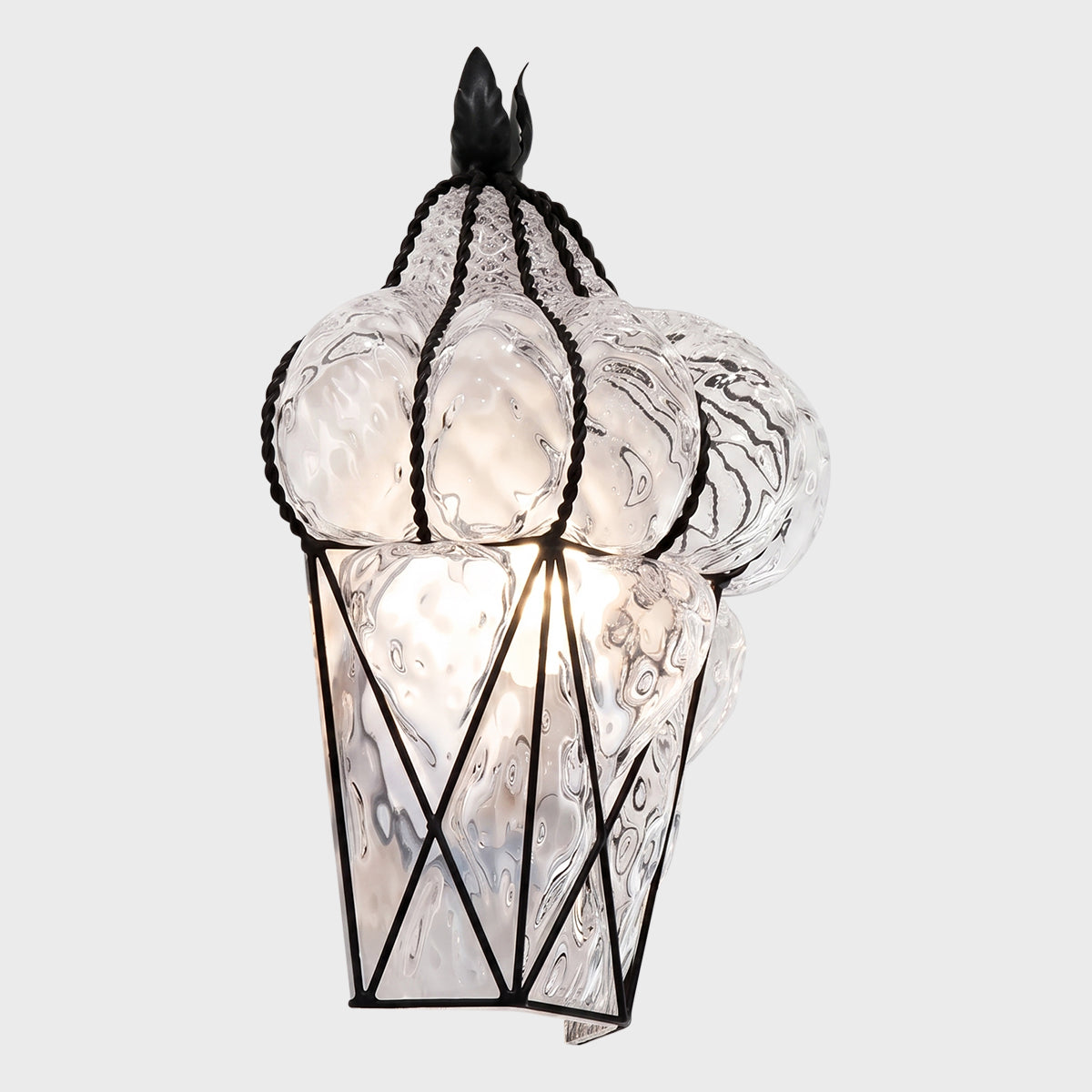
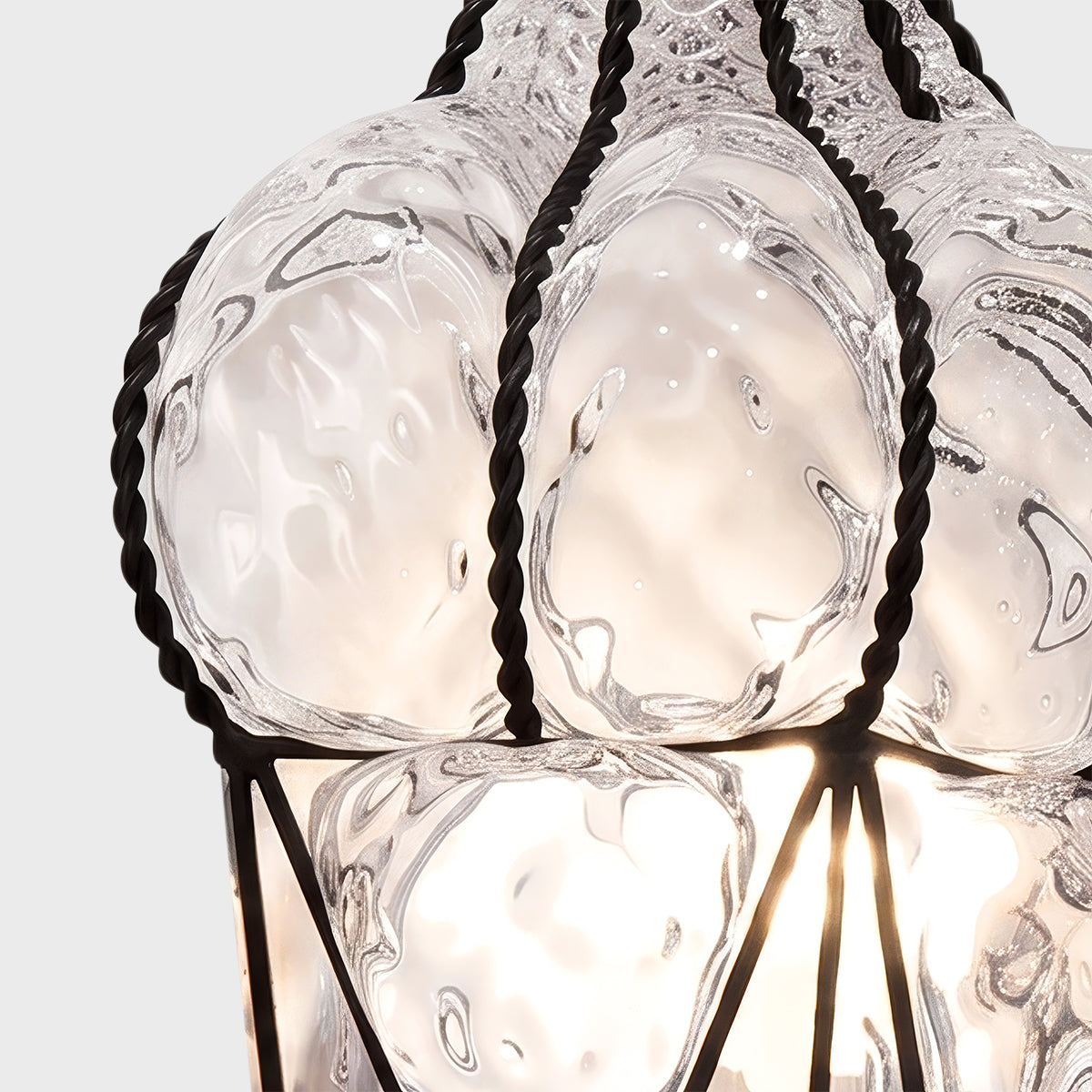
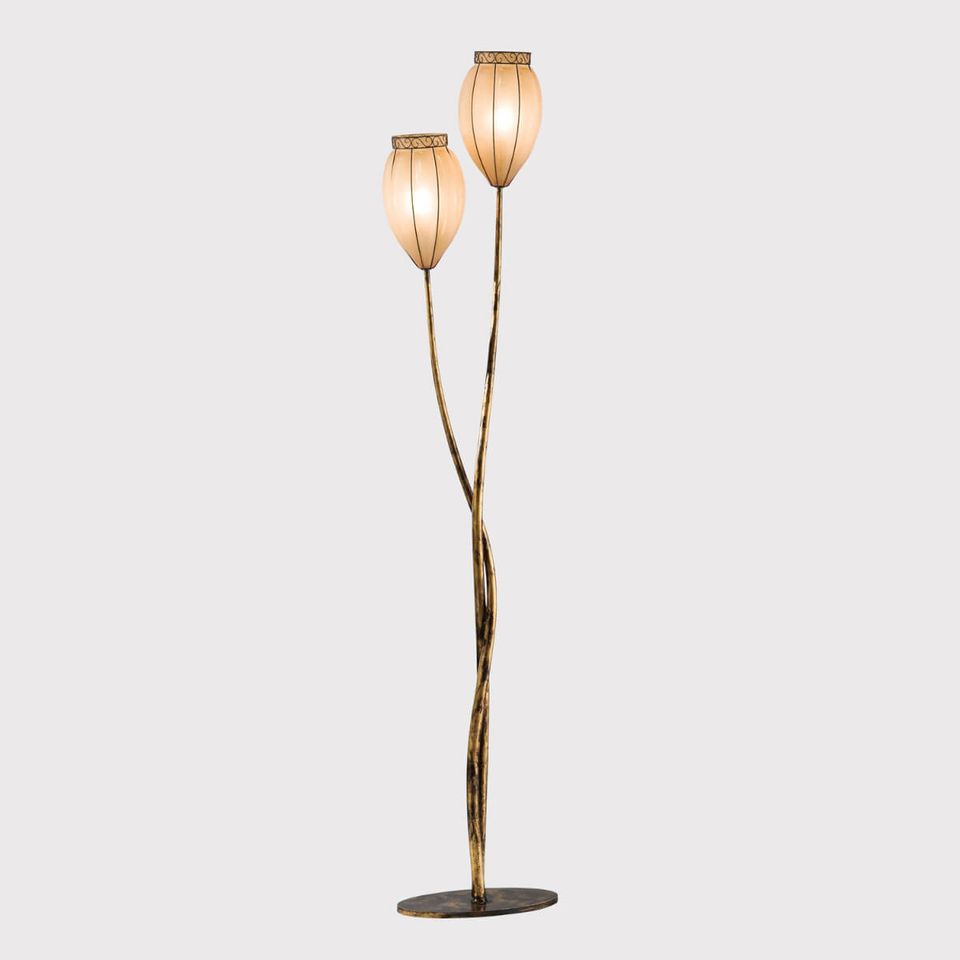
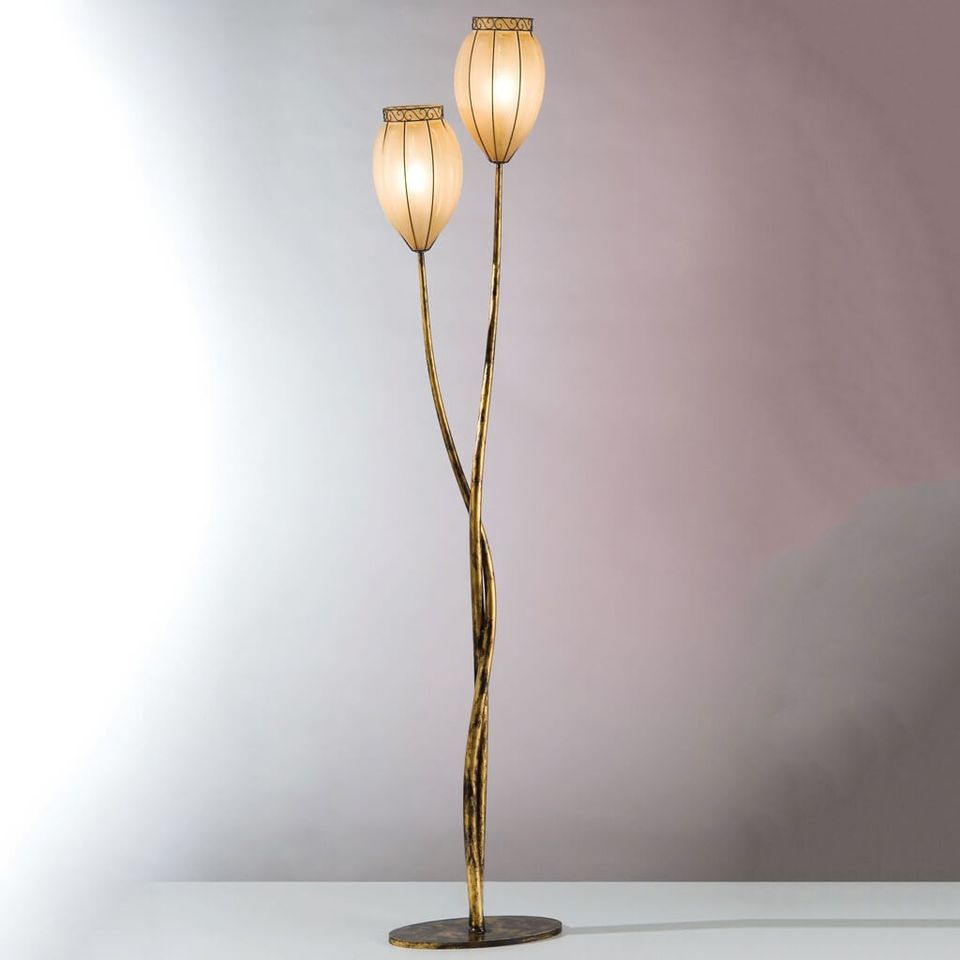
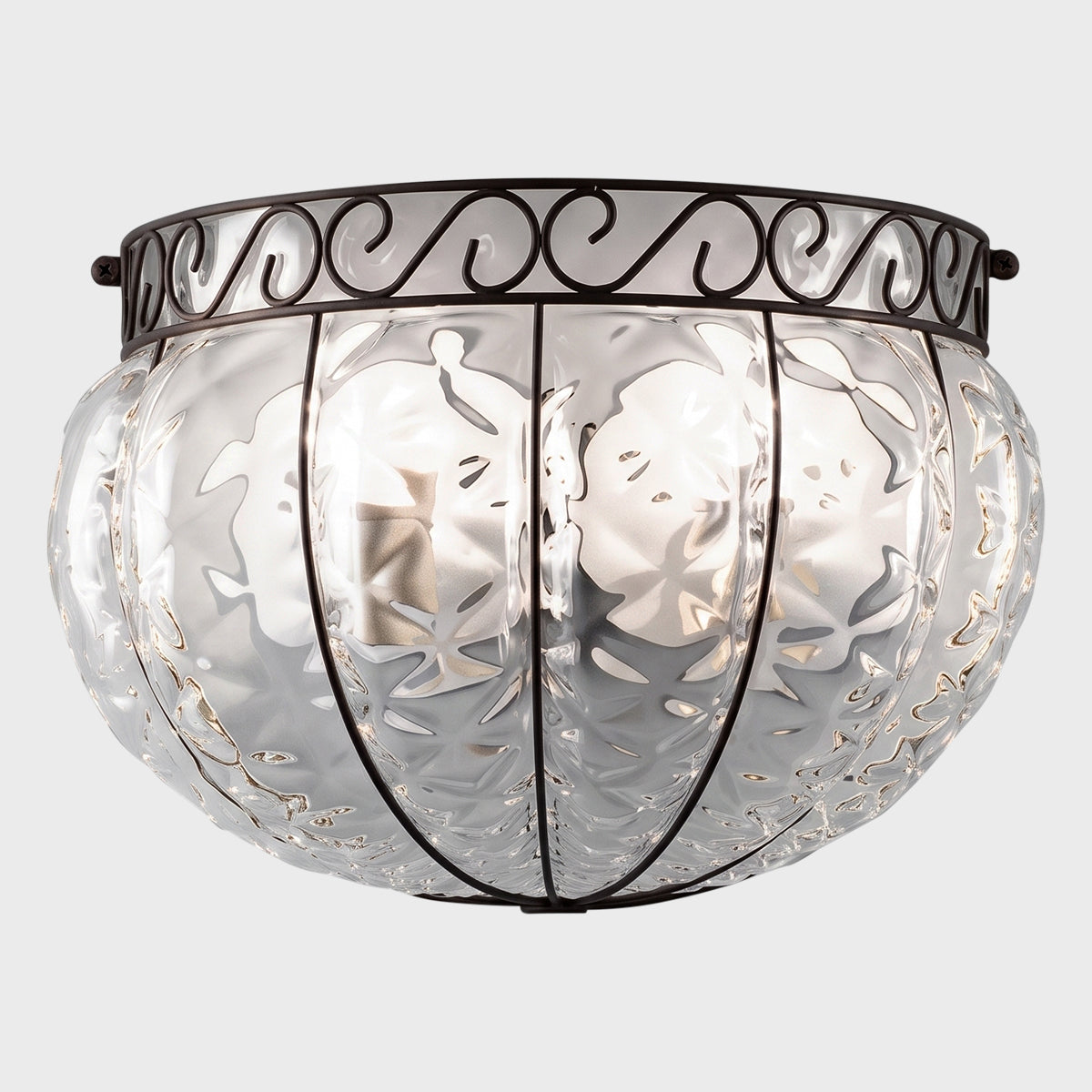
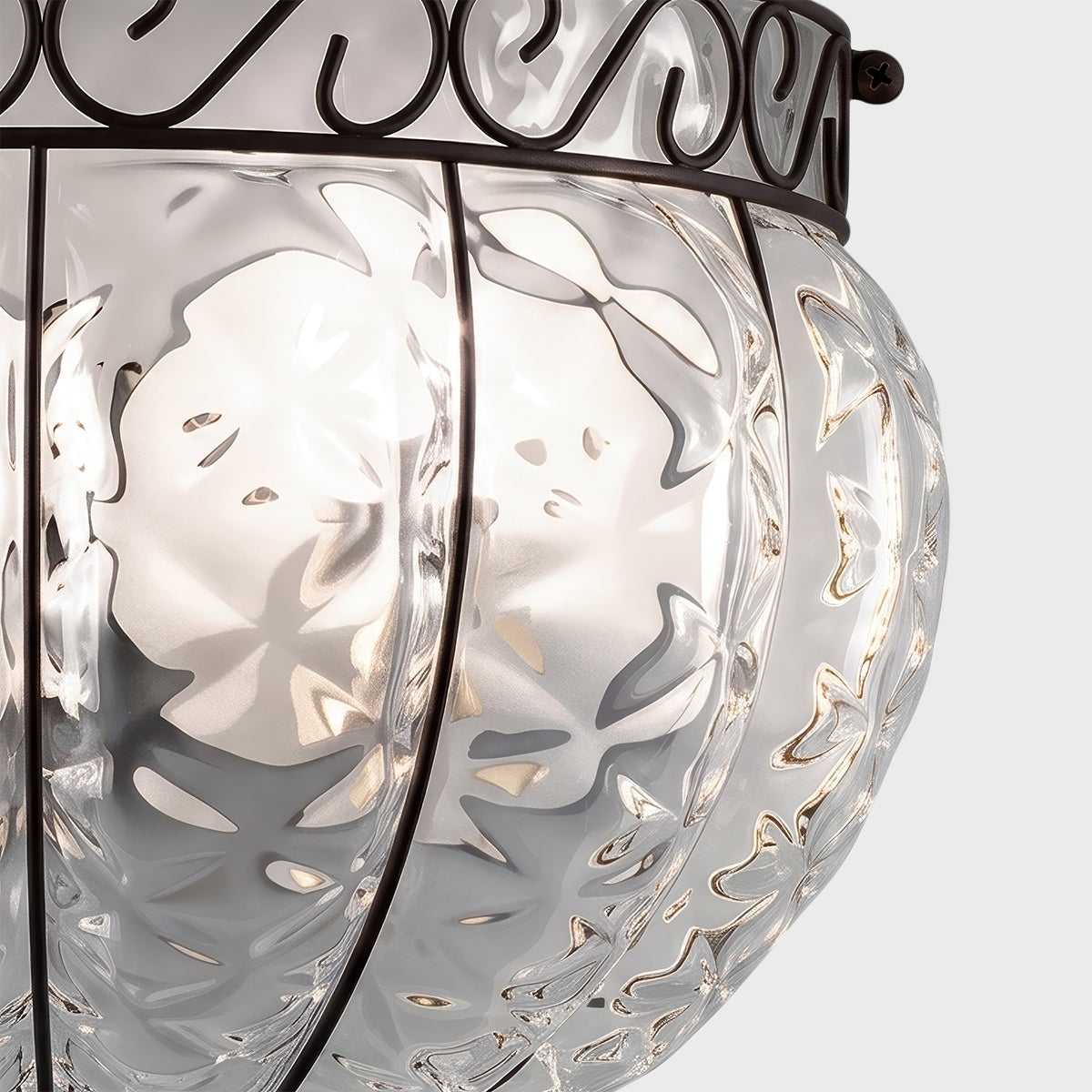
It is called the blown glass caged technique, a Venetian tradition steeped in artisanal and ornamental history. The glass master blows an incandescent glass bubble into a metal cage. When the molten glass material expands, a portion is formed by the form of the cage and a part escapes from it. The large globe of blown glass thus obtained stiffens, remaining suspended both inside and outside its constraint. Each version has its own personality because the light adapts to the shape that contains it. In the transparent version, the weaving of the metal basket projects a kaleidoscopic play of shadows onto the surrounding surfaces. In the white version, the luminous white mass is perceived as a fabric stretched by the wind.
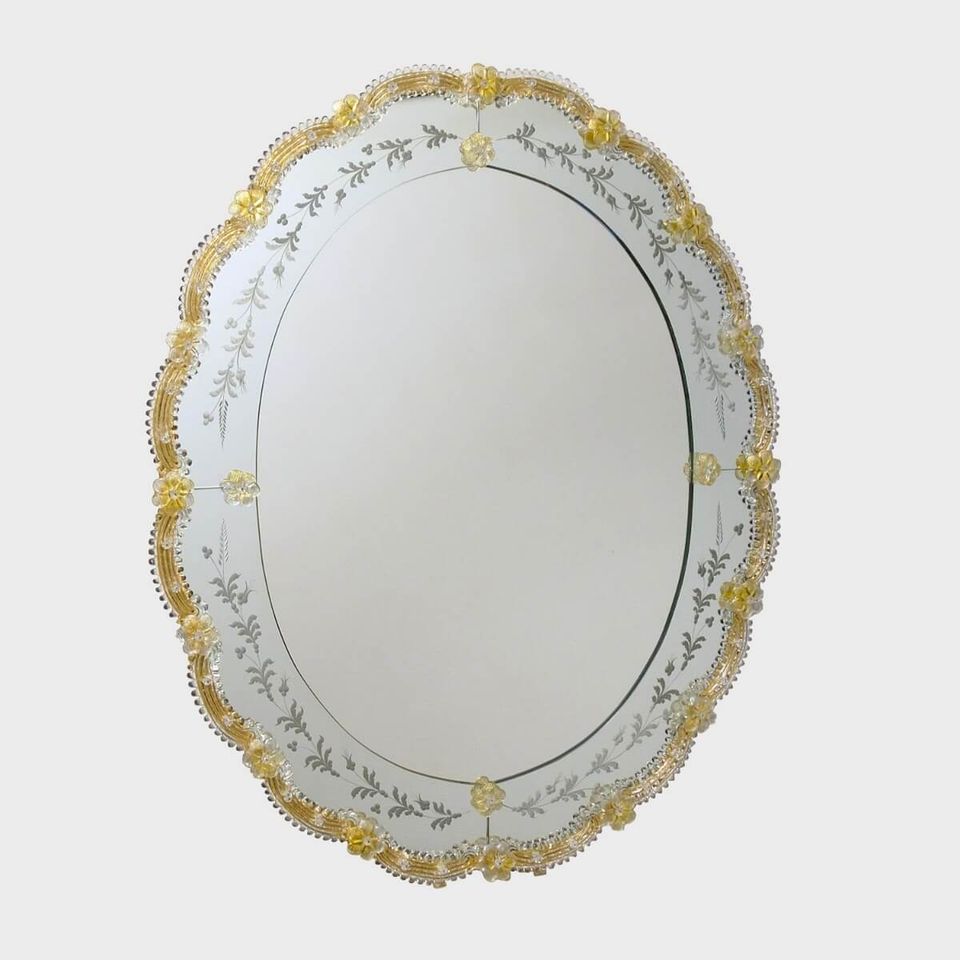
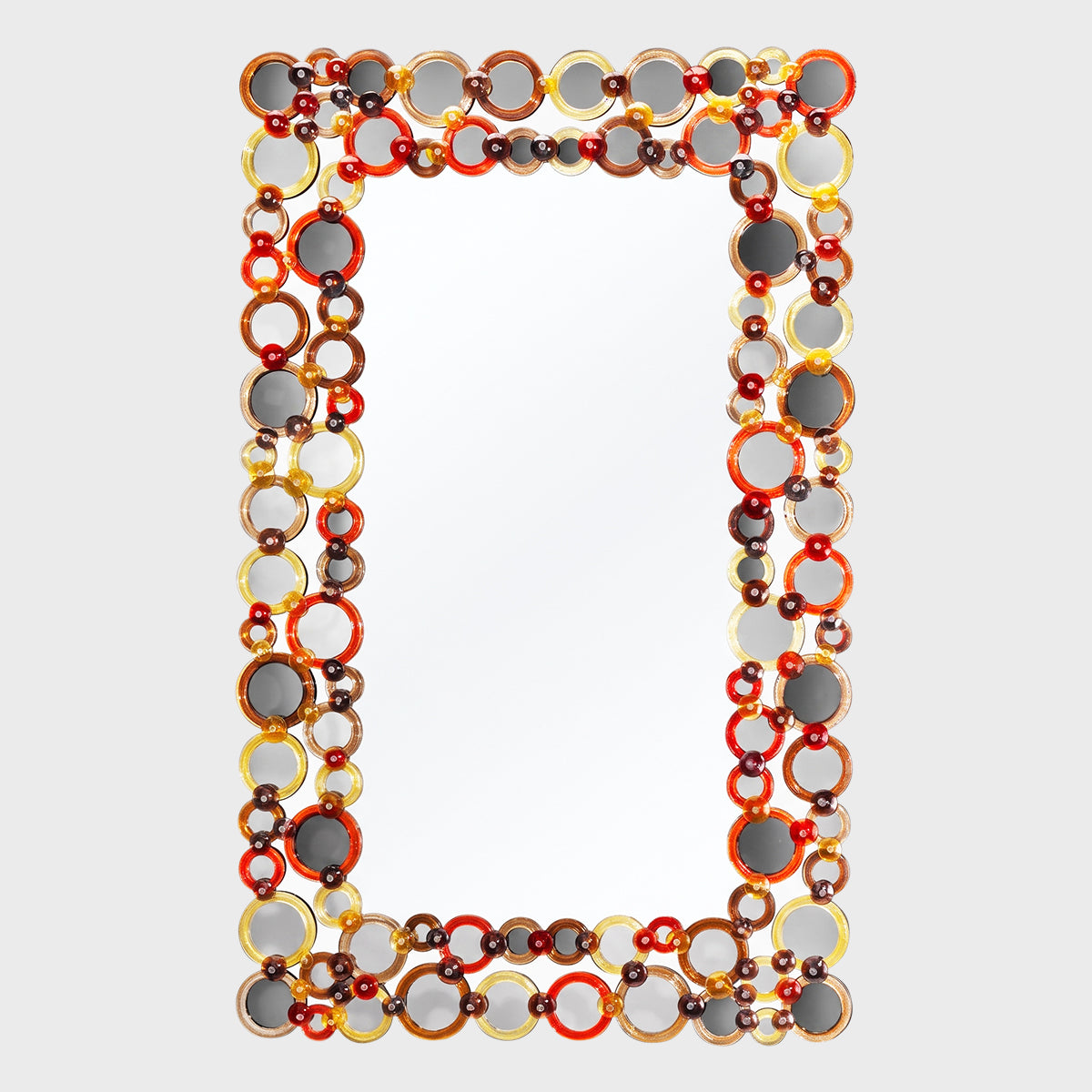
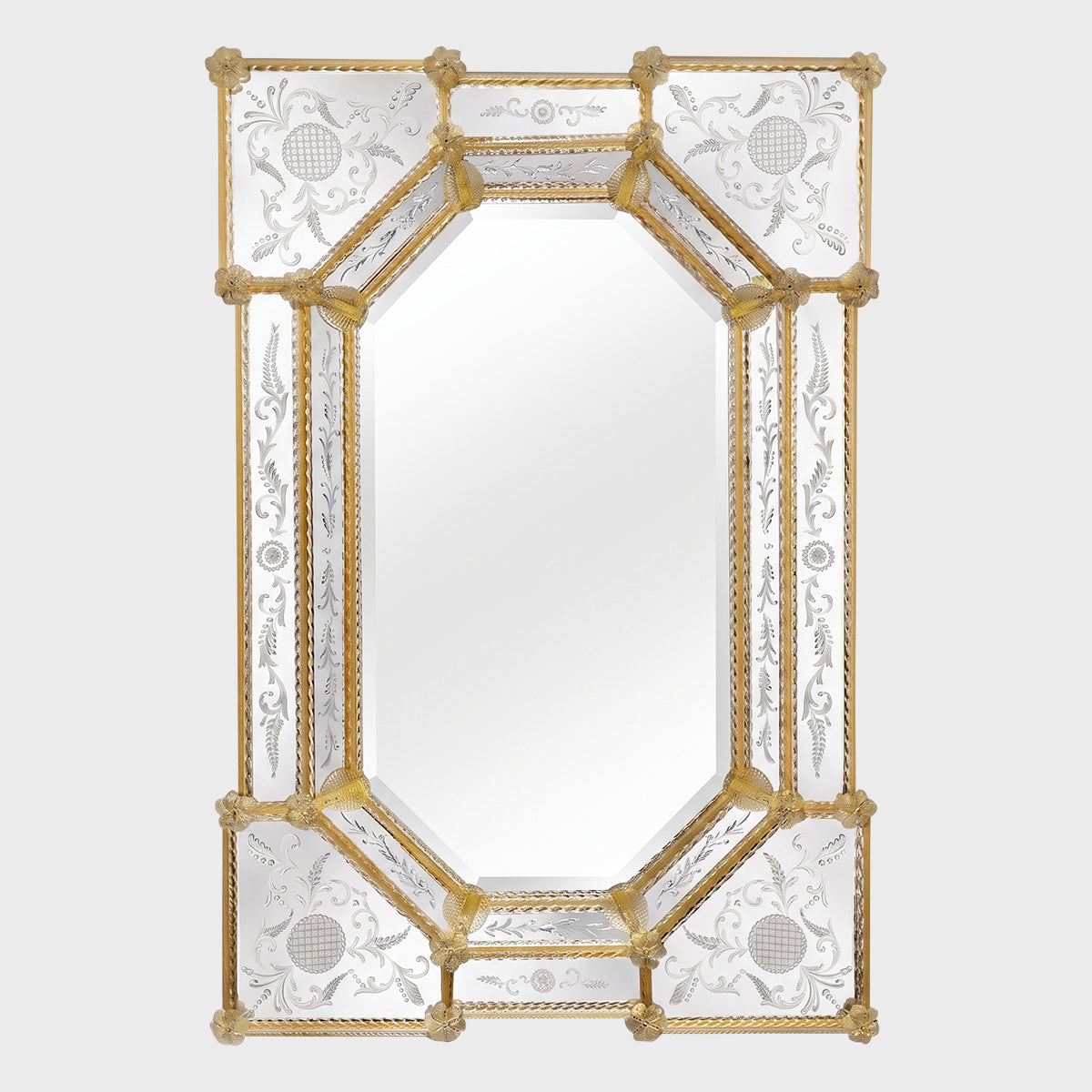
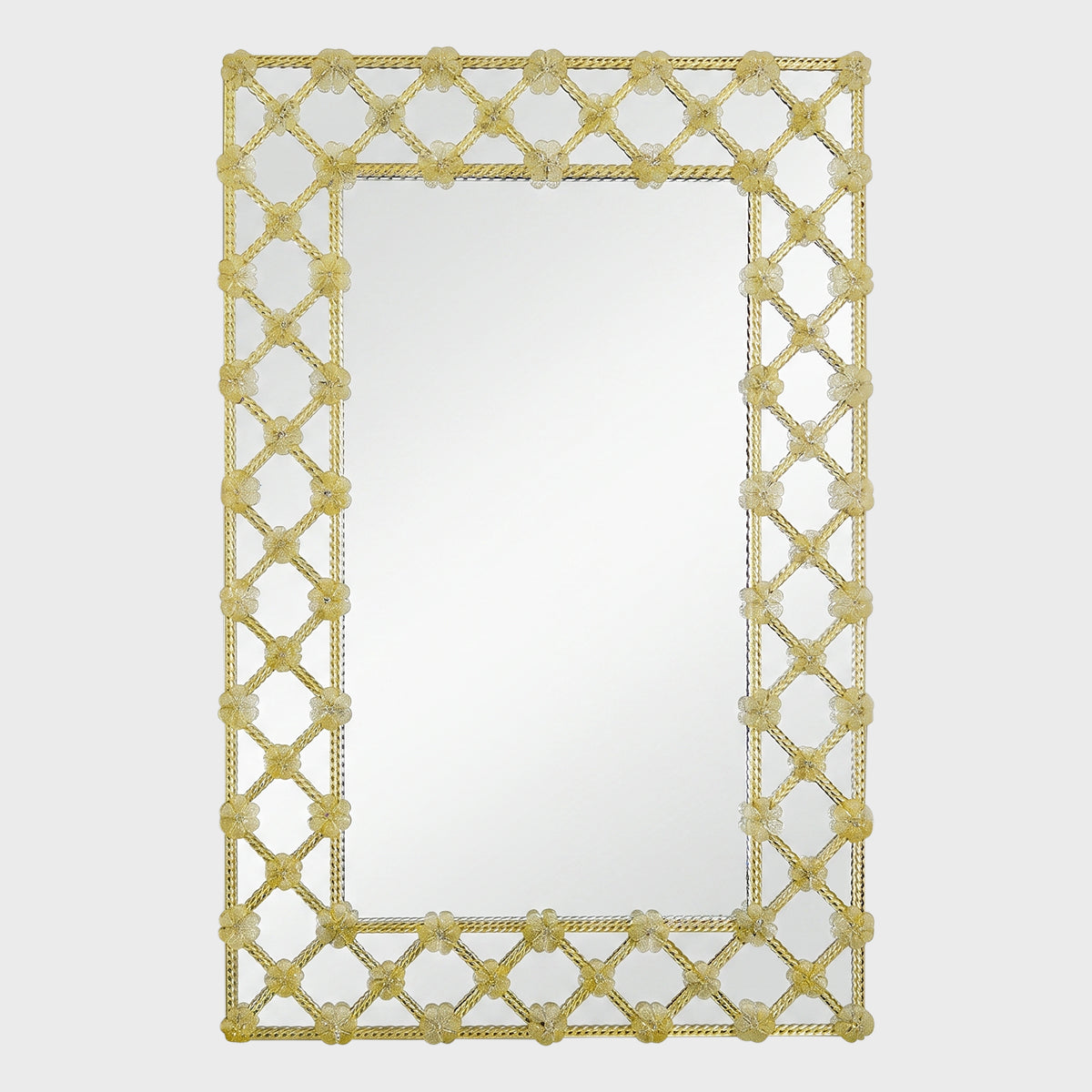
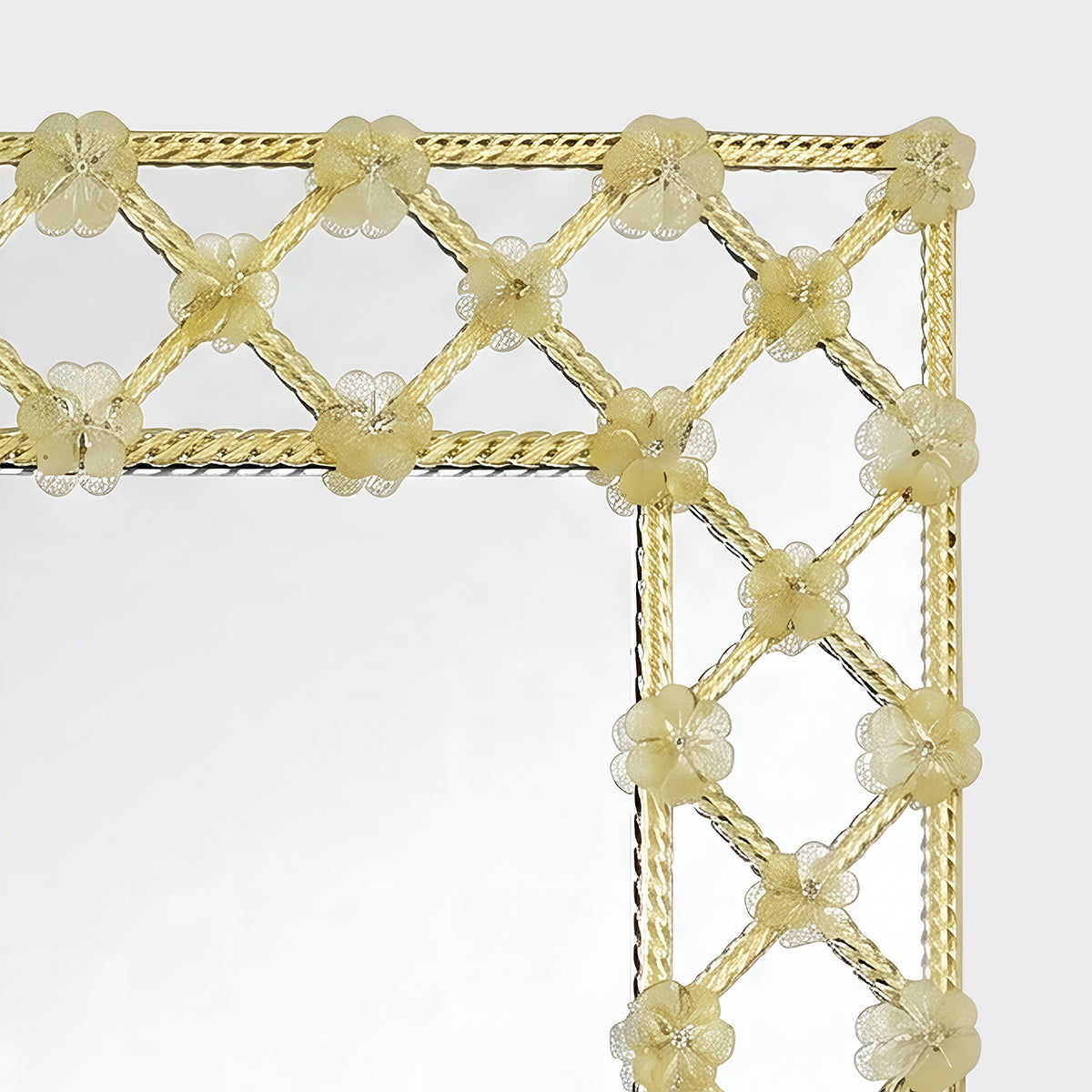
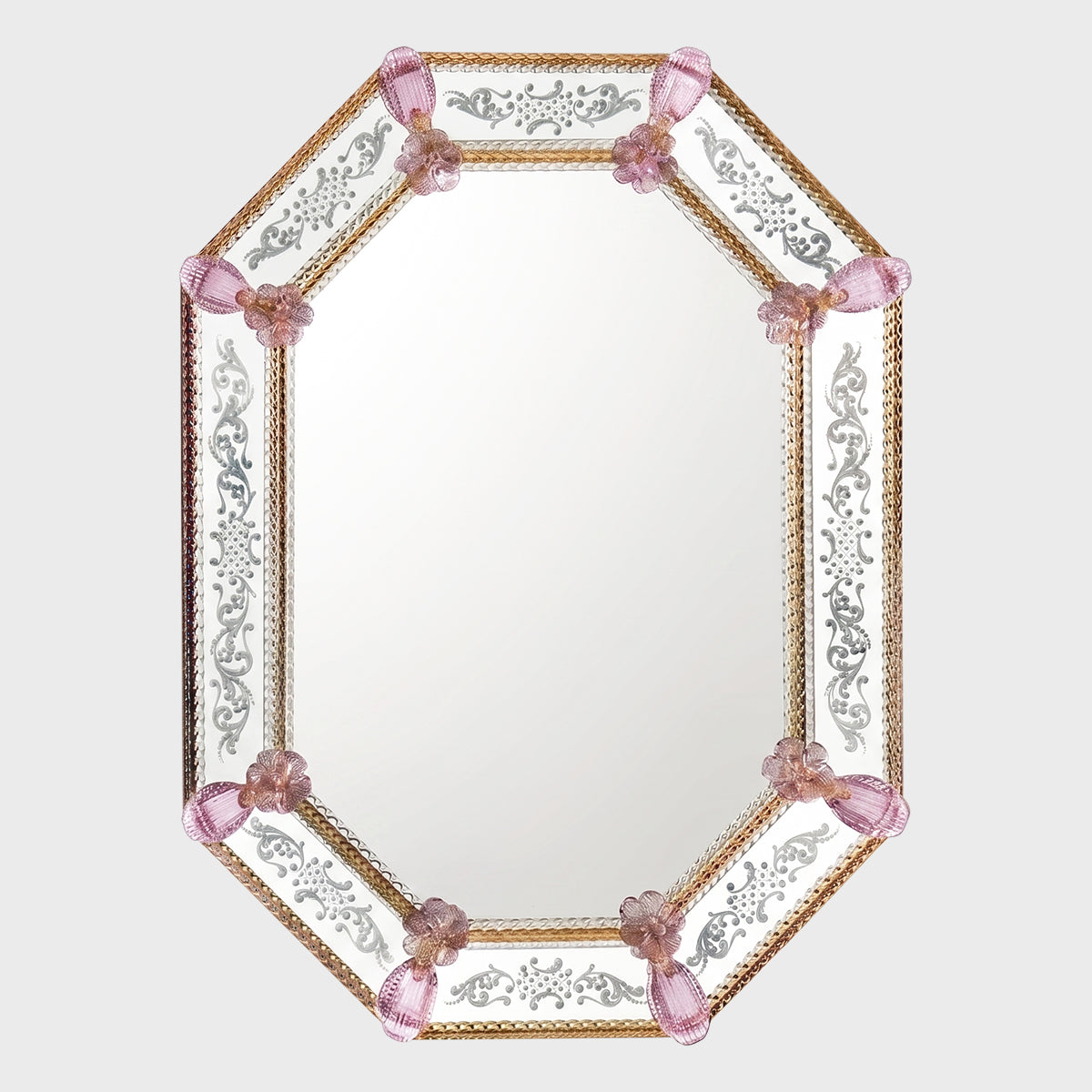
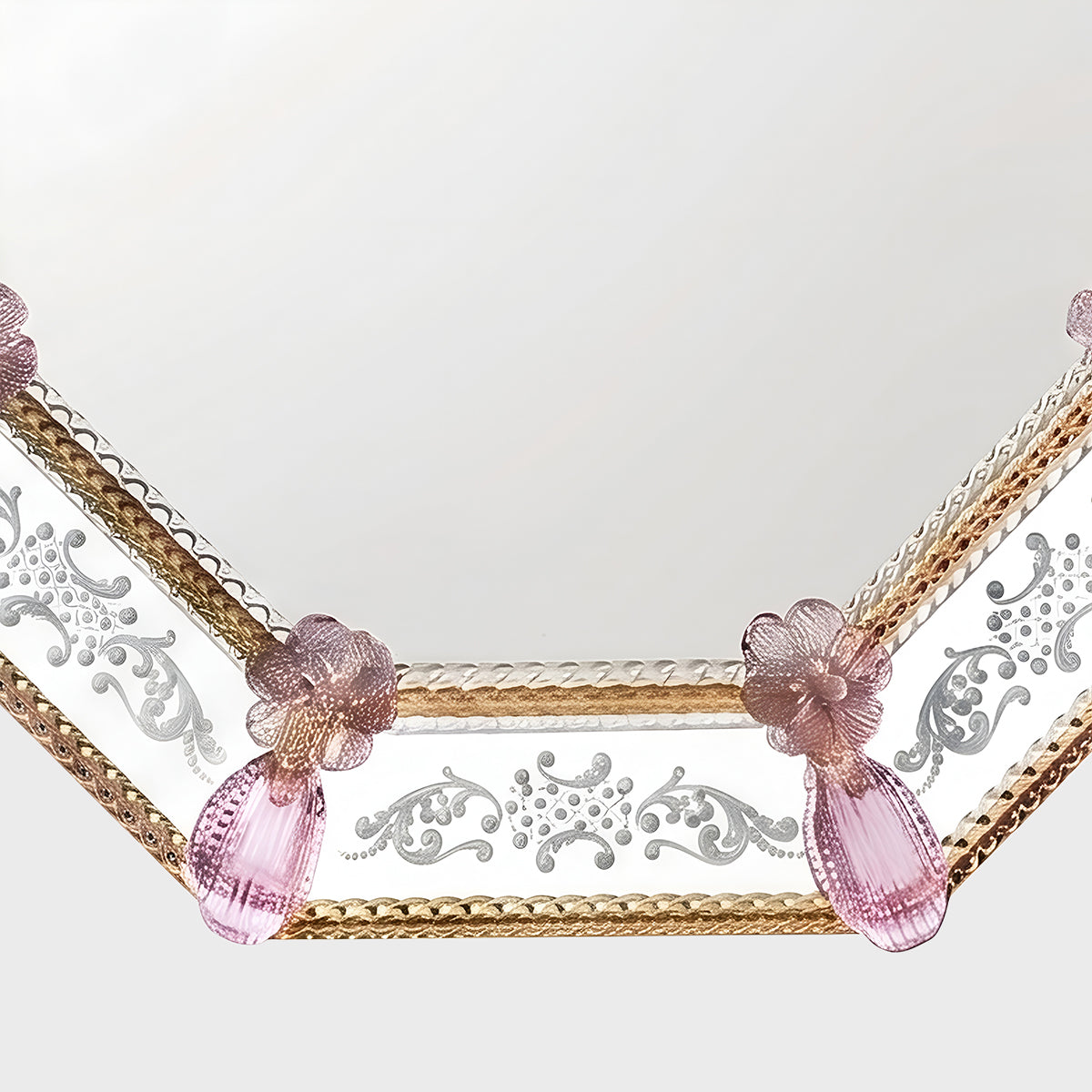
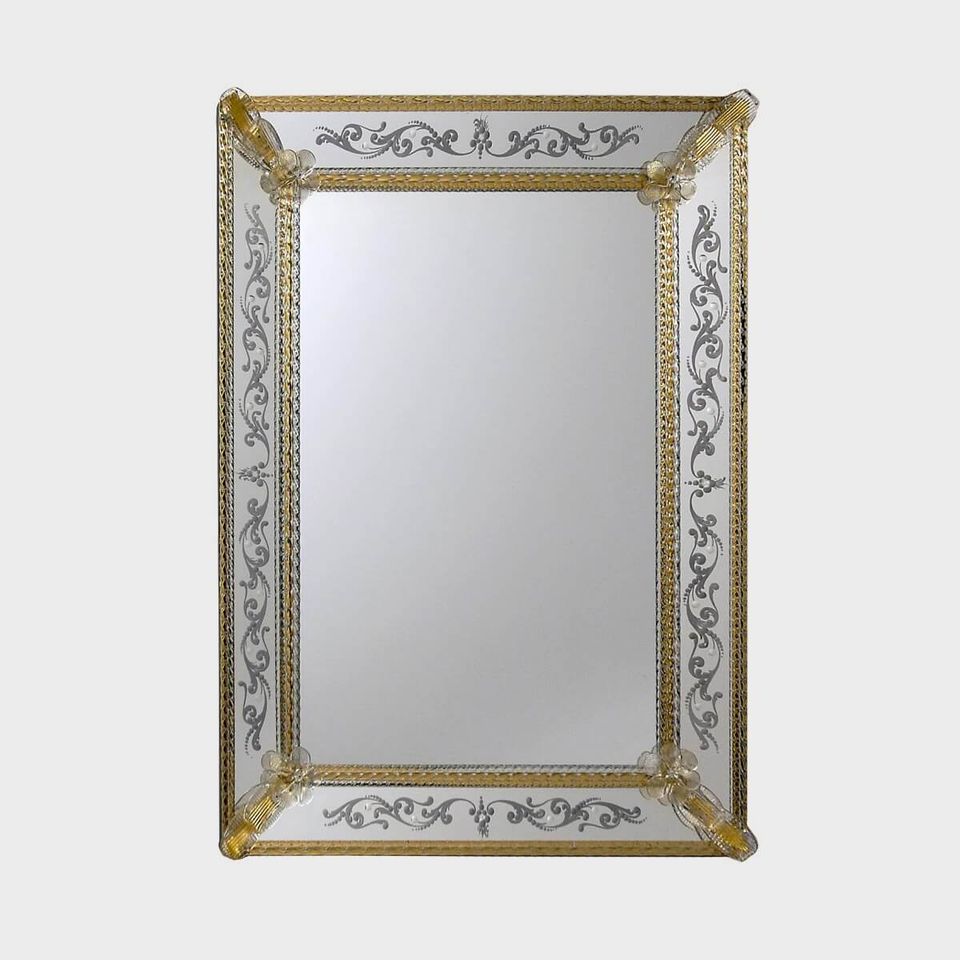
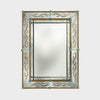
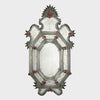
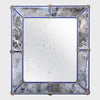
Authentic original Venetian mirrors in Murano glass
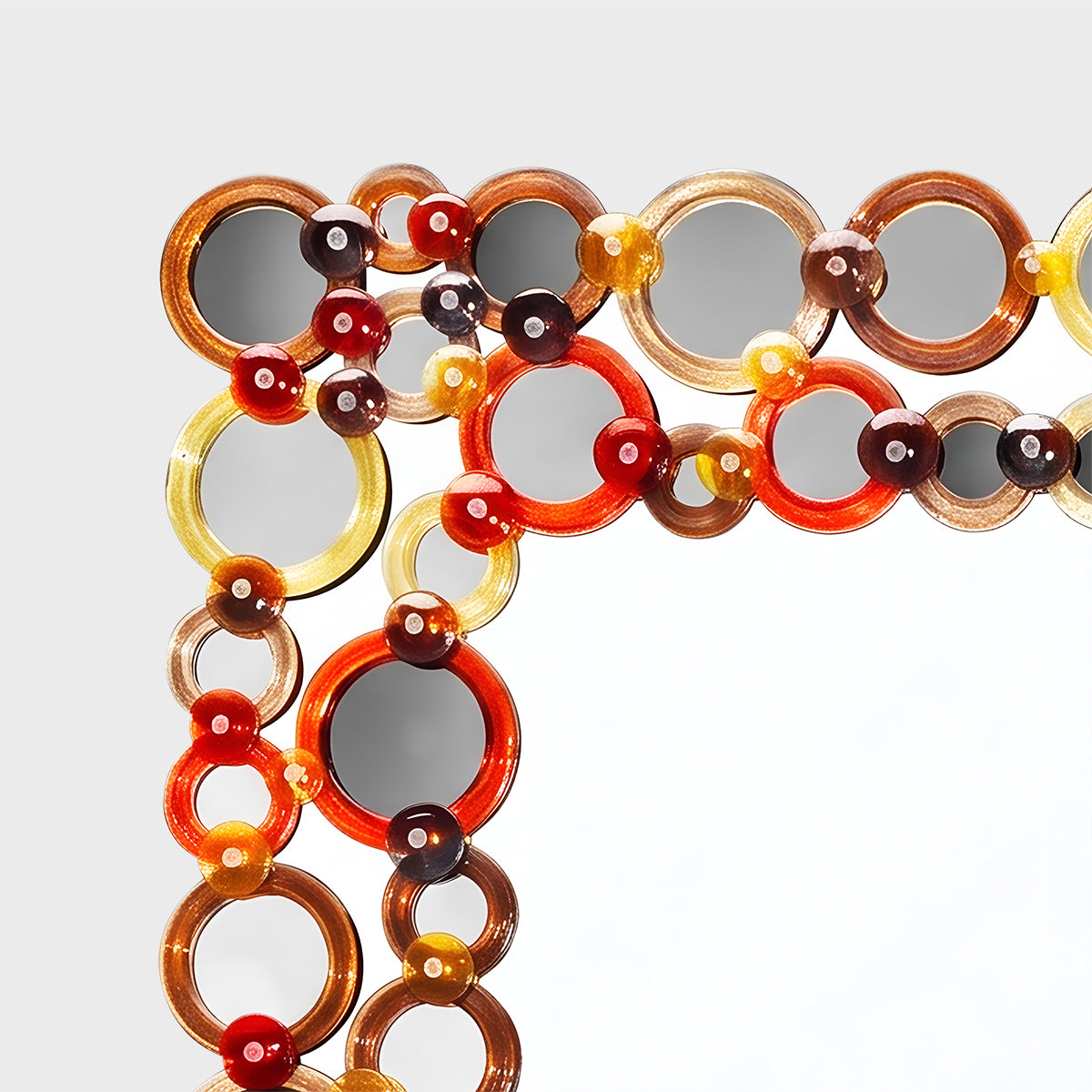
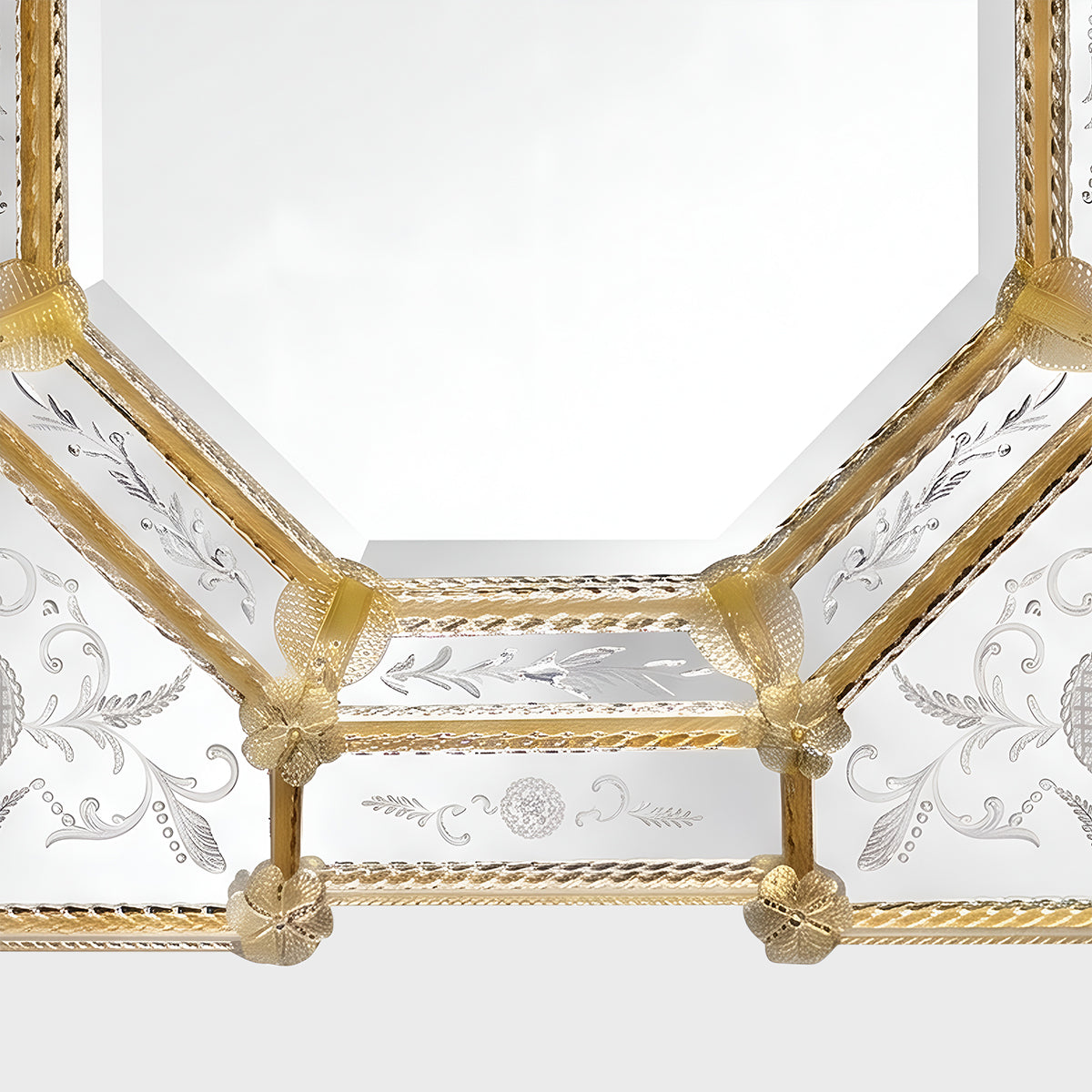
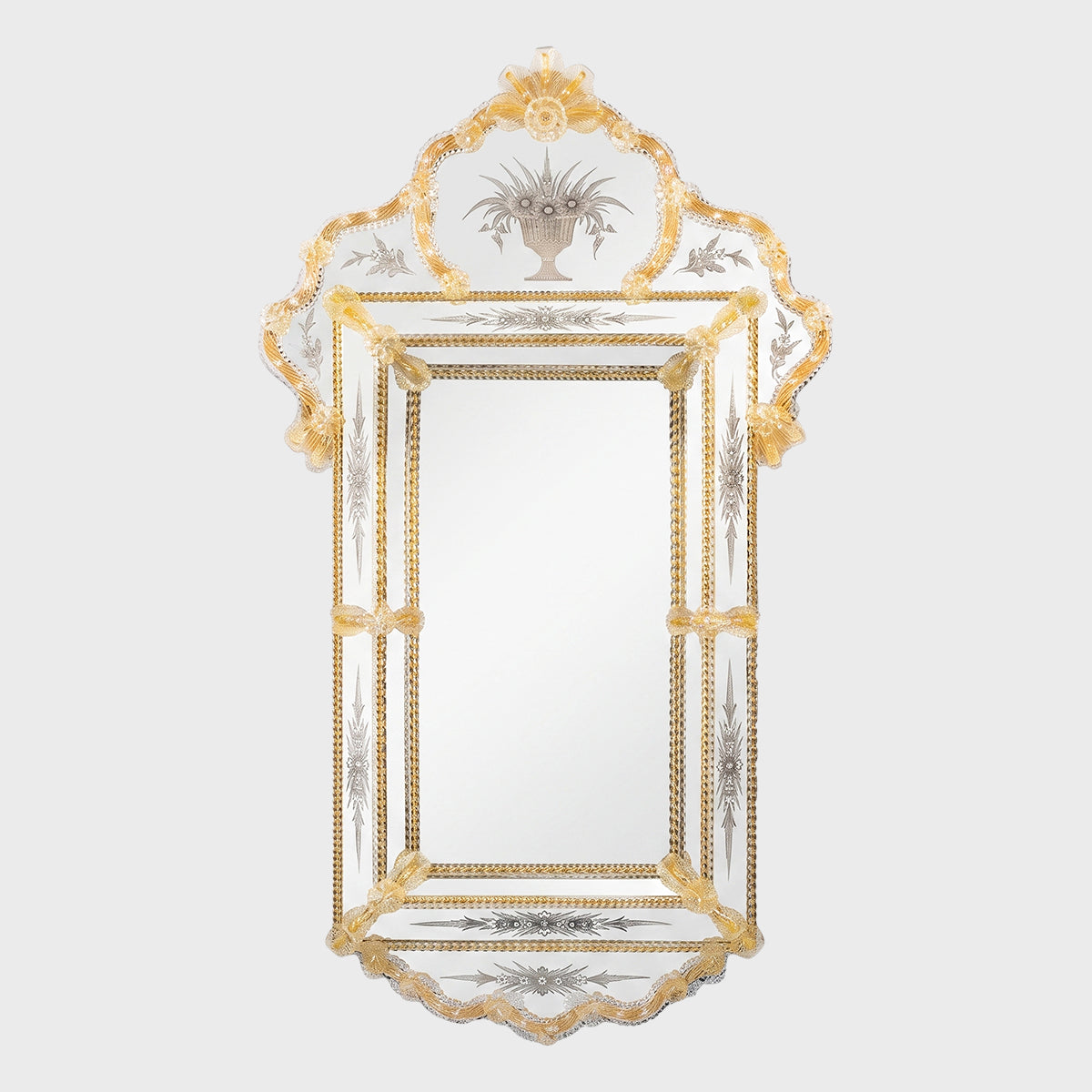
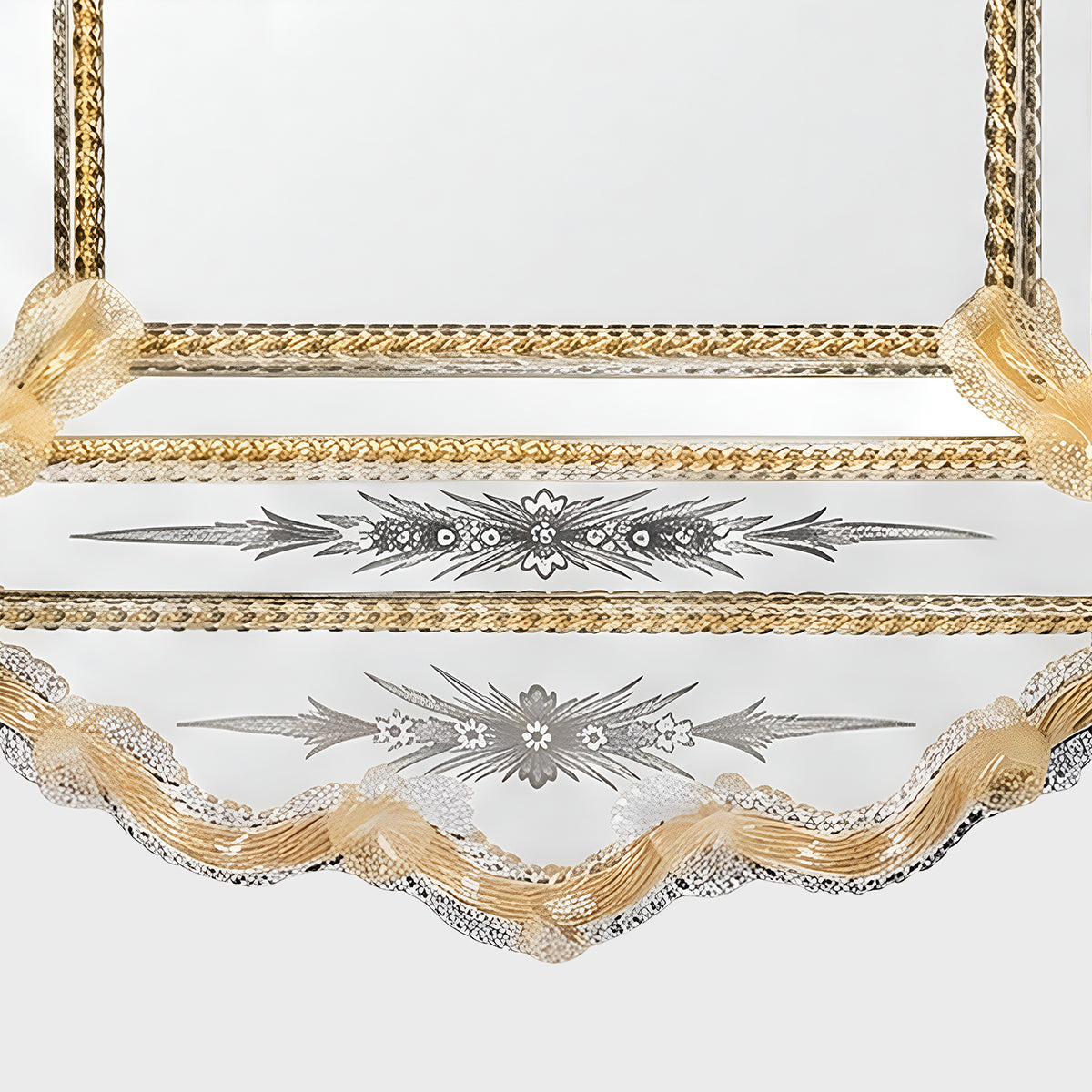
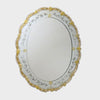
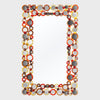
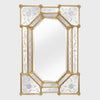
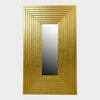
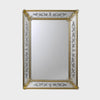
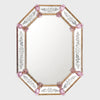
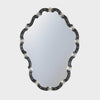
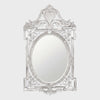
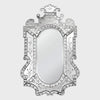
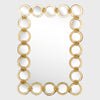
What makes the difference for these handcrafted mirrors is the complexity and technical skill behind its creation. During the process, there are four different and very specialized figures: the carpenter, the mirror artisan, the engraver, and the glassmaker. Size, shape, ornaments, colors, and designs are the result of the experience and skill of craftsmen who collaborate with each other. The result is an ever new and unique masterpiece.
Discover Products
Discover Products

Discover Products

Discover Products

Discover Products