






Masterful touches: The secrets of glass making
Glass processing has been a part of human history since ancient times.
Considered one of the most fascinating materials in use, glass sees opposing elements coexist and magically merge, giving rise to multi-material compounds and blends of opacity and transparency, homogeneity and polychromy, thickness and ethereal lightness.
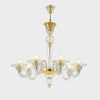
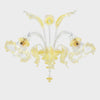
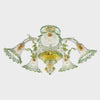
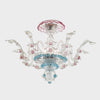
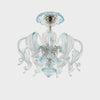
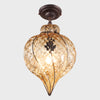
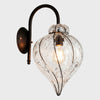
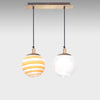
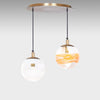
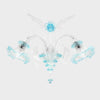
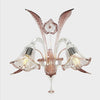
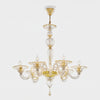
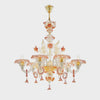
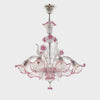
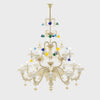
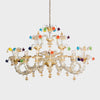
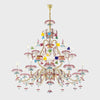
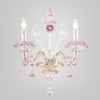
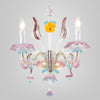
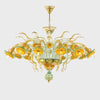
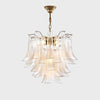
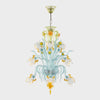
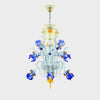
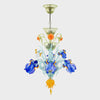
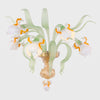
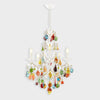
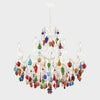
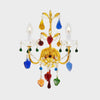
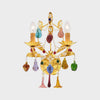
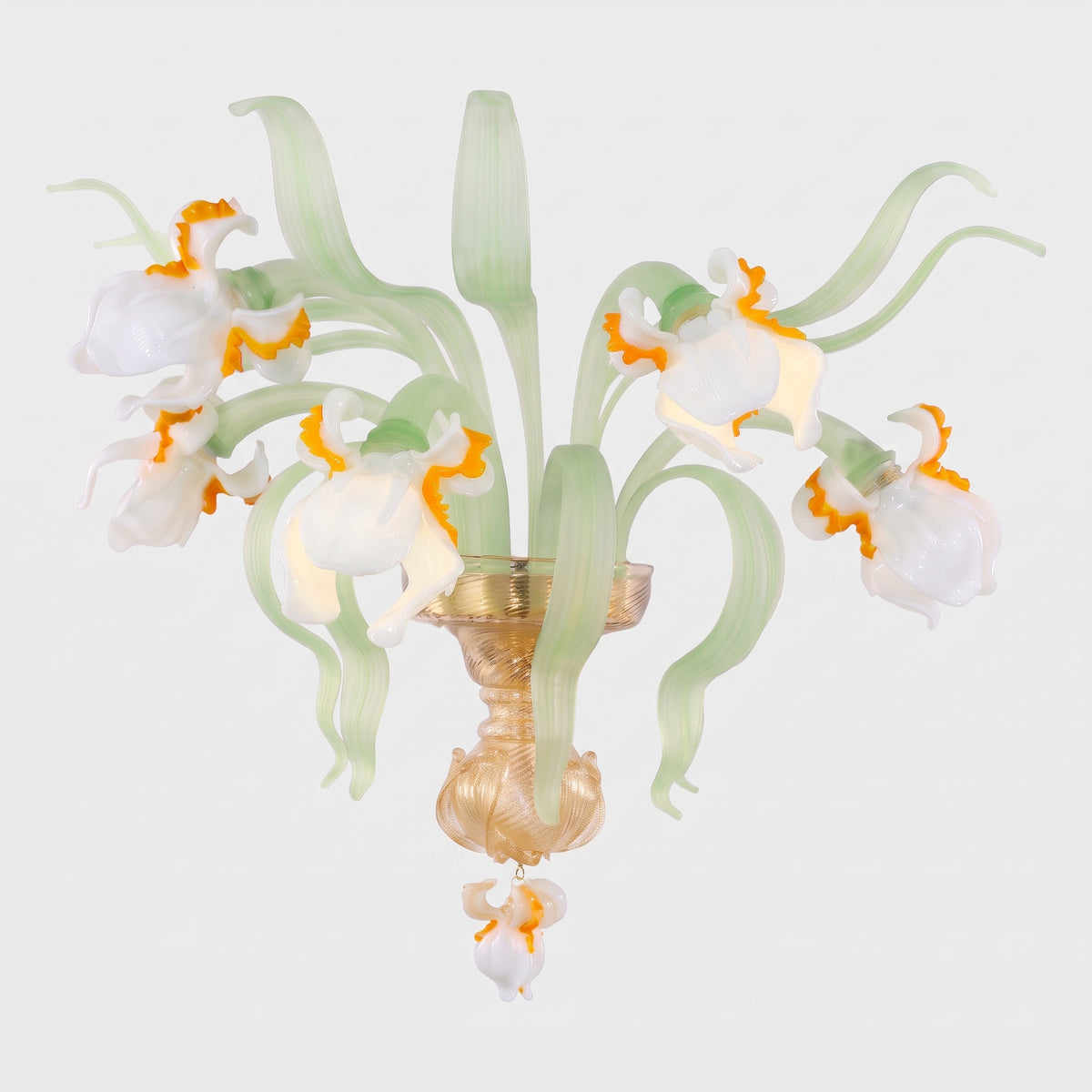
The glass produced by Sogni Di Cristallo, crafted in the province of Venice or the Venetian hinterland, today as in the past, symbolises the excellence of Made in Italy, precious masterpieces of applied art exported worldwide.
To appreciate its aesthetics, a mere glance is sufficient; to correctly estimate its value, it would be advisable to understand its origins, history, and secrets.
Indeed, not everyone knows how glass is made, and not everyone is fortunate enough to witness first-hand what happens in a glassworks, where, by applying ancient rituals, form is given to what is, by nature, shapeless.

The intangible concreteness of glass
While Nordic culture traditionally characterises glass as a hard and sharp material, Venetian culture recognises its natural ductility, preferring more sophisticated processes that require technique, skill, and artistic inclination.
Glass is created from a base of silicon, limestone, and soda but can have different compositions that influence its final texture. For example, a higher percentage of soda extends the cooling time, allowing for more complex work.
Every piece of glass created in the Venetian tradition holds a secret known exclusively by the master glassmaker, the foremost expert in ancient mixtures passed down from generation to generation. These mixtures involve the addition of opacifying, colouring (iron, tin, cobalt), or precious (copper, gold, and silver) materials.
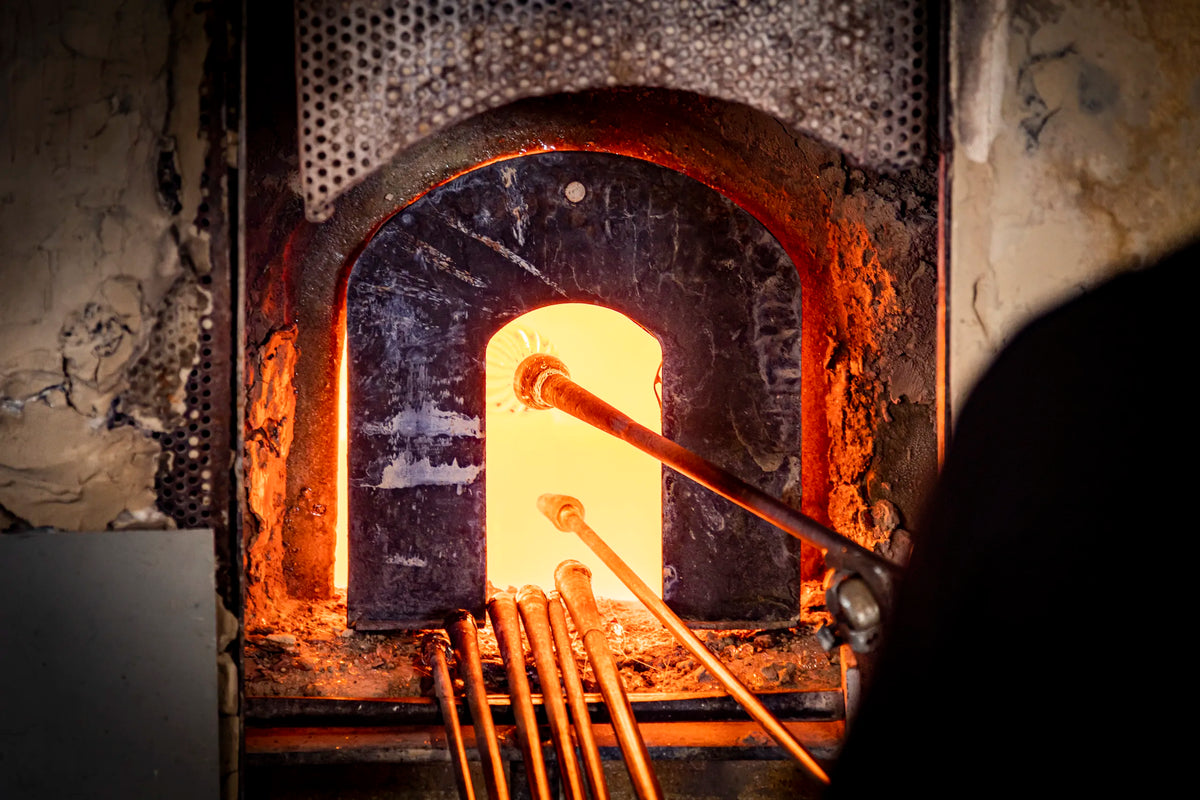
Once the fusion temperature is reached, the compound is removed from the furnace and worked while still incandescent, using specific techniques that produce unique final effects.
Each finish requires the use of special tools: blowpipes, pliers for shaping, scissors, and shears for removing excess glass, rods, templates, and plates to achieve endless effects resulting from sometimes unpredictable variations. These include breath pressure, the speed of the craftsman's movements, the chemical reaction of the components, and the humidity in the air.
Classic craftmanship
In the classic technique, everything originates from the ability of molten glass to be manually shaped.
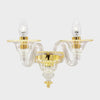
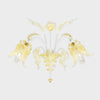
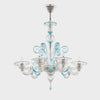
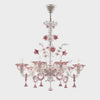
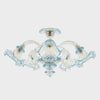
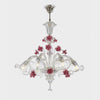
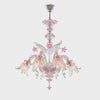
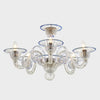
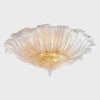
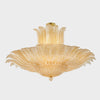
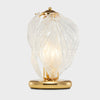
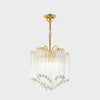
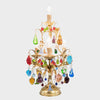
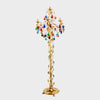
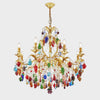
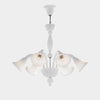
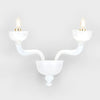
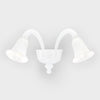
The compound is melted in refractory stone ovens and immediately worked using flat tweezers to create lace, curls, and decorations.
Once the modelling phase is completed, the artifact is allowed to cool slowly, allowing the material to marble completely. Lastly, finishing and assembly of any metal or wooden elements, ornaments, and crystal pendants are carried out.
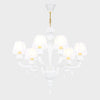
This type of craftsmanship is perfectly suited to any style, from neoclassical to contemporary design, with remarkable eclecticism achieved through highly complex decorative and chromatic mannerisms.

Blown glasswork
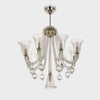
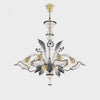
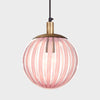
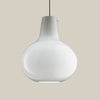
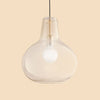
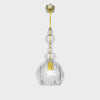
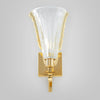
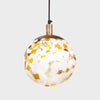
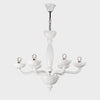
Perhaps the most fascinating of the glass processing techniques - and certainly the most typical of Murano - is blowing. This method involves extracting the incandescent glass mass from the furnace and placing it on the blowpipe. The master blower, by inflating the incandescent mass with air, creates a glass bubble, producing shapes, voids, and swellings. At the same time, the blowpipe, used as a rotating axis, shapes the material, giving it internal transparencies and shades that provide a unique material refinement.

Plate glasswork
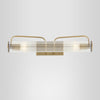
This type of technique is the most modern and is most frequently applied in architecture and construction, allowing for the creation of large glass windows and surfaces. It involves placing elements and compounds (gold leaf, filigree, and glass fragments) between two glass sheets, which, when fused together, create a multi-composite whole. The definition of shapes, the precision of decorations, and the infinite colour possibilities produce true artistic masterpieces.
Caged glass
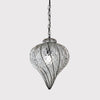
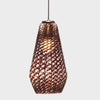
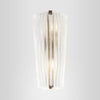
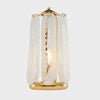
This type of technique is significantly influenced by Eastern techniques. Considered artistically similar to leaded stained glass, it is created using a metal support structure (cage) on which the semi-liquid material is placed. Depending on the marbling time, the glass will be more or less compact, remaining within the framework limits or expanding into soft modulations, with special translucencies and reflections that fade from amber to copper to milk white.
The multiple reflections of mirrors
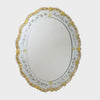
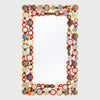
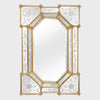
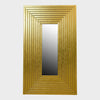
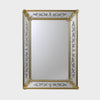
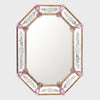
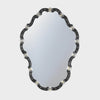
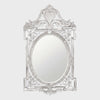
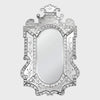
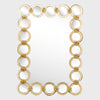
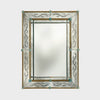
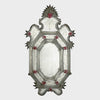
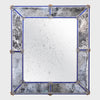
Among the most complex projects requiring the collaboration of various professionals are mirrors. Venetian mirrors are characterised by the grandeur of their compositions, with reinterpretations of the most aristocratic eighteenth-century style (although coloured mirror sheets have now definitively conquered contemporary mosaics).
The creation of such works involves carpenters, engravers, mirror makers and glassworkers, and also requires meticulous design studies and an outstanding artistic predisposition. However, it allows for the shaping of sculptural installations that rediscover the pragmatism of art.